

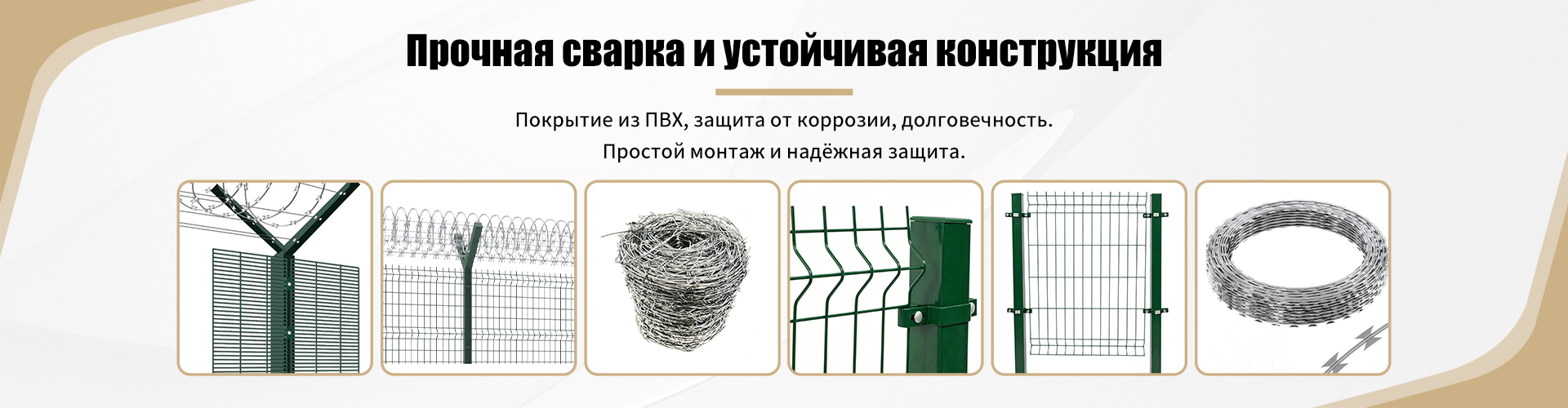
Products
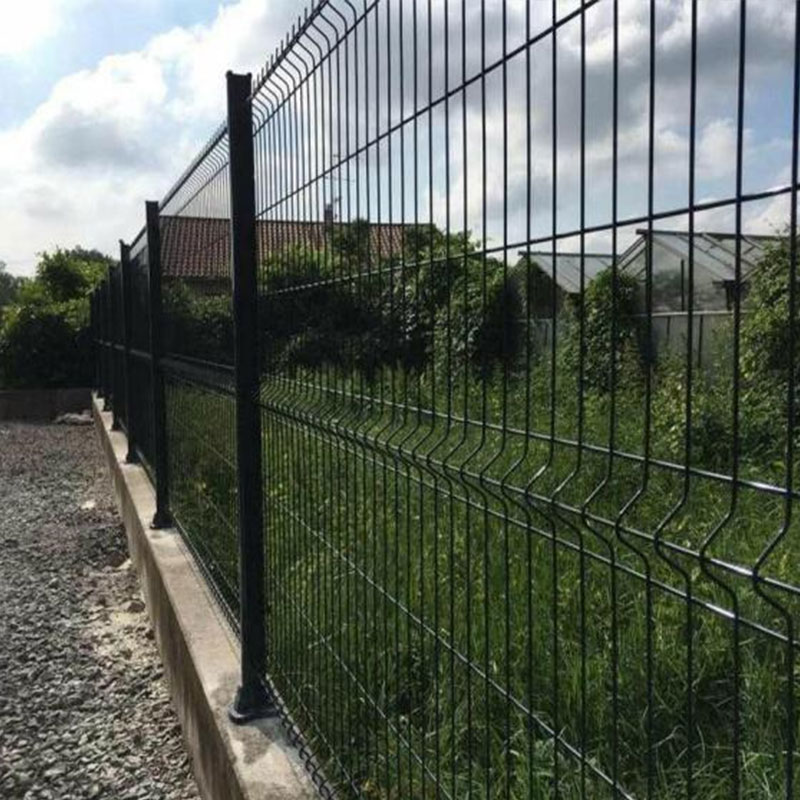
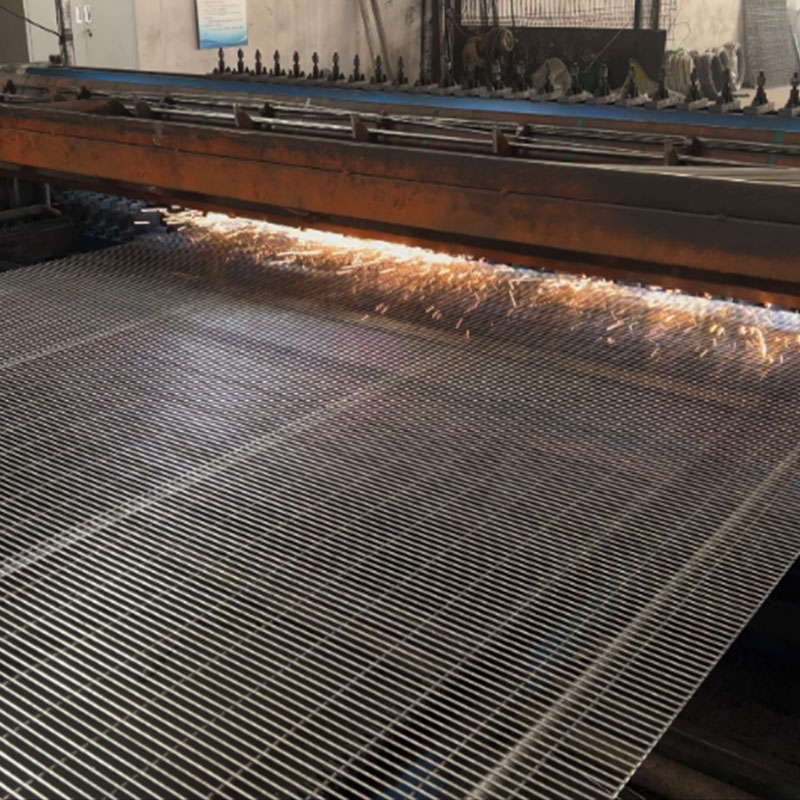
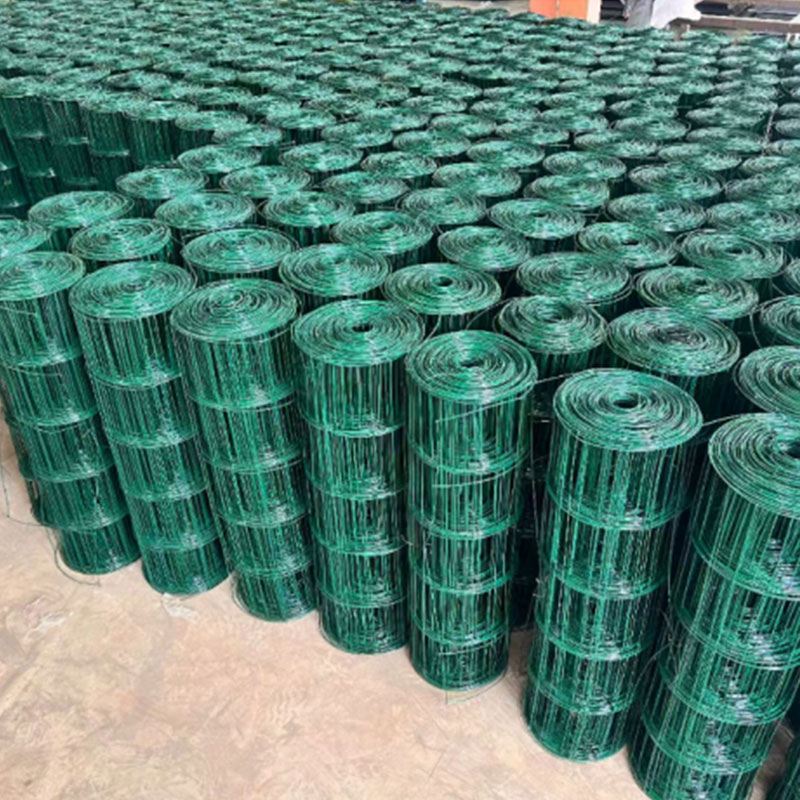

Perforated metal sheet
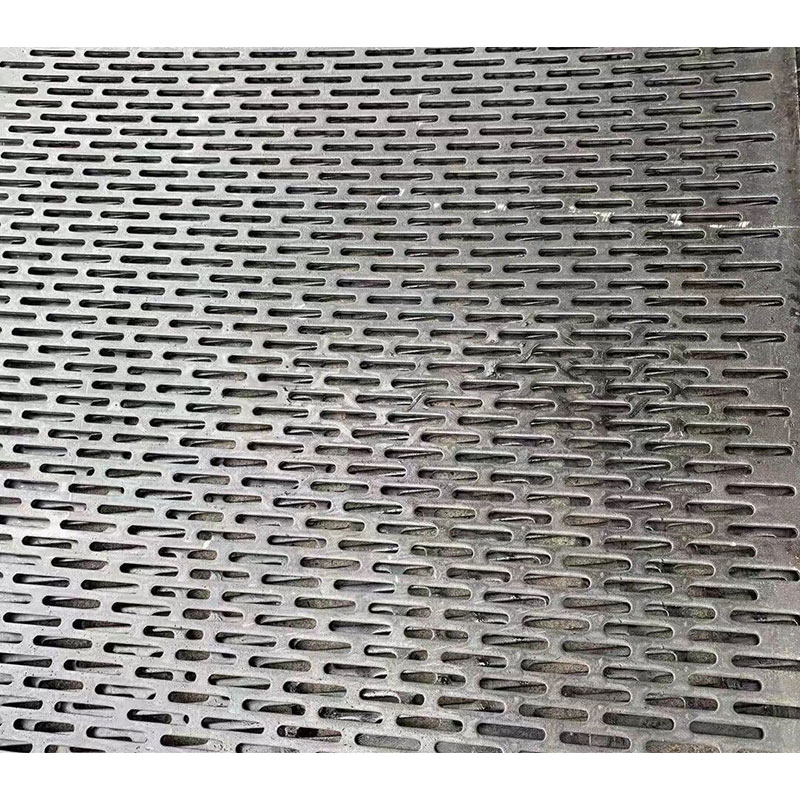
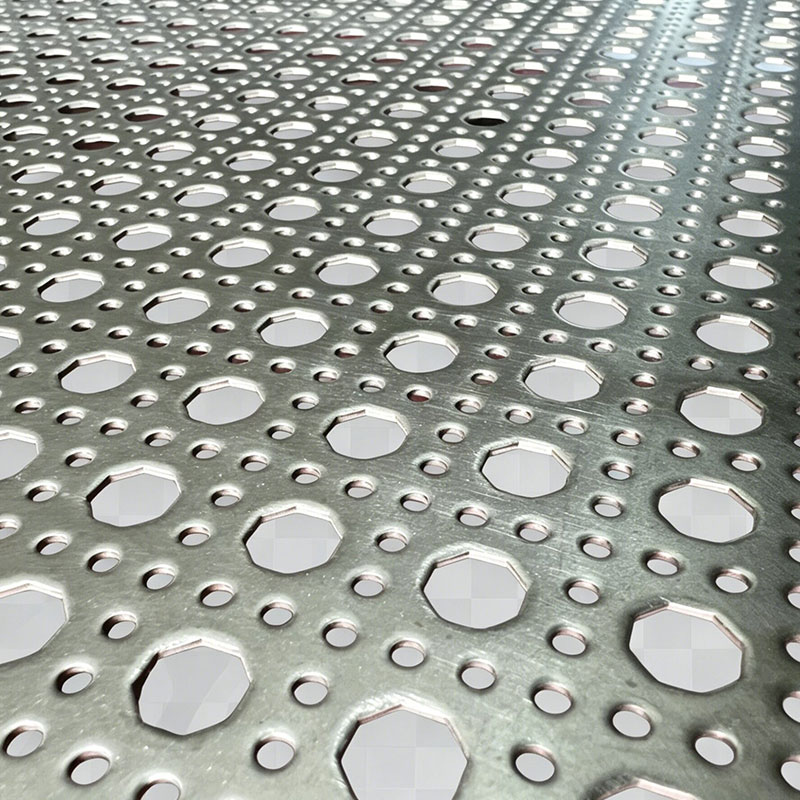
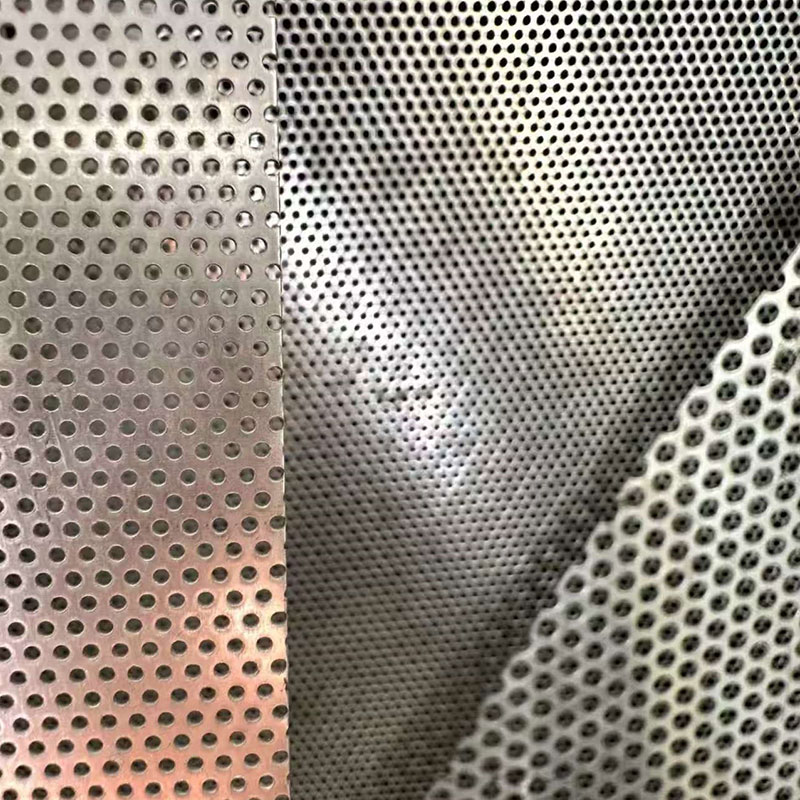
Perforated metal sheet (also known as perforated sheet or plate) is a product made from metal sheets such as steel, stainless steel or aluminum using CNC punching equipment to create a uniform pattern of holes in a single operation.
Description
marker
Product Description
Perforated metal sheet (also known as perforated sheet or plate) is a product made from metal sheets such as steel, stainless steel or aluminum using CNC punching equipment to create a uniform pattern of holes in a single operation. Unlike expanded metal, which is formed by stretching, perforated metal is distinguished by precise hole geometry, a smooth surface and controlled dimensional accuracy.
1. Determination of basic parameters
Sheet thickness: Thickness of the original sheet material
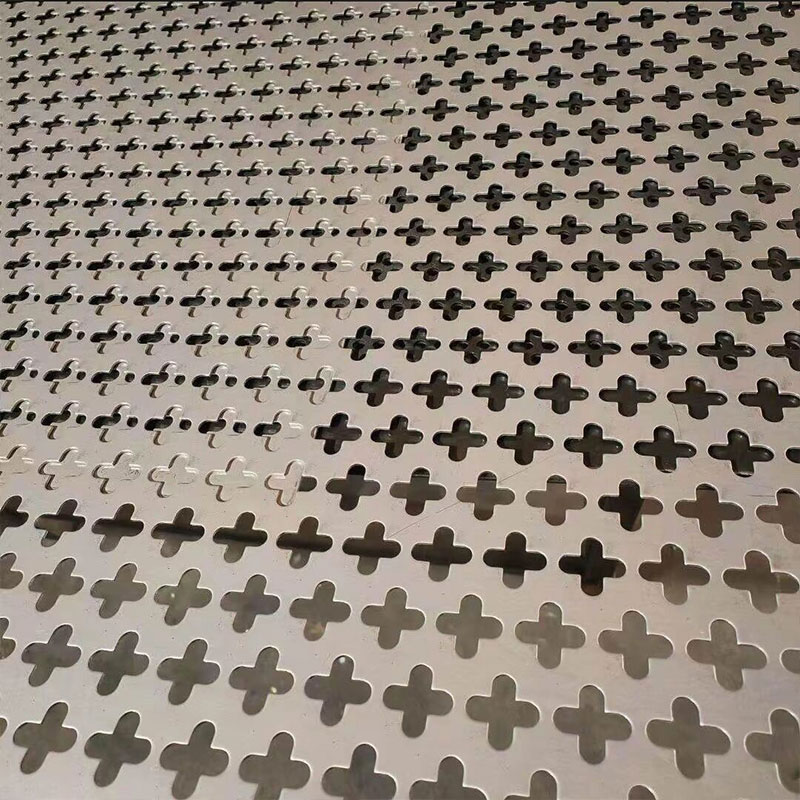
Hole Diameter: Individual hole diameter (round holes are most common; square, slotted, triangular and custom shapes are also available)
Hole pitch (Distance between centers): Distance between the centers of two adjacent holes
Margin: Distance from the center of the outermost hole to the edge of the sheet
Clear section coefficient: Total opening area ÷ Total sheet area (determines ventilation and screening capacity)
Standard sheet sizes: 1000×2000 mm, 1220×2440 mm, 1500×3000 mm; Custom cutting to any size is possible
2. Common combinations of hole diameters (round holes are the most universal)
Decorative perforated mesh (Sheet thickness: 0.5–2.0 mm; for decoration, suspended ceilings, ventilation)
φ1.5 mm, φ2 mm, φ3 mm, φ4 mm, φ5 mm, φ6 mm
Corresponding pitch: 3mm, 4mm, 5mm, 6mm, 8mm, 10mm
General purpose perforated mesh for protection/screening (Sheet thickness: 2.0 - 4.0 mm; for equipment guarding, screening, fencing)
φ8 mm, φ10 mm, φ12 mm, φ15 mm, φ16 mm, φ20 mm
Corresponding pitch: 12mm, 15mm, 18mm, 20mm, 25mm, 30mm
Heavy load-bearing perforated sheet (Sheet thickness: 5–12 mm; for trench covers, platform steps, heavy screening plates)
φ25 mm, φ30 mm, φ35 mm, φ40 mm, φ50 mm
Corresponding pitch: 35mm, 40mm, 50mm, 60mm, 70mm
3. Classification according to hole shape
Round hole: Highest sales volume; Versatile choice for ventilation and screening;
Slotted Hole (Long Hole): Anti-slip flooring, drainage/drainage, linear screening;
Square hole: Wear-resistant screening, mechanical filtration;
Triangle Hole / Plum Blossom Hole: Designed for anti-slip applications and safety flooring;
Customized hole shapes: For decorative solutions and artistic curtain walls.
4. Common materials
Low carbon steel Q235: Best value for money; options for hot-dip galvanizing, electro-galvanizing or painting for corrosion protection are available; the best choice for general industrial outdoor protective applications;
304 Stainless Steel: Resistant to rust and acids and alkalis; Widely used in food processing, chemical processing and wet coastal environments;
316 Stainless Steel: Resistant to marine corrosion; specialized for marine equipment and highly corrosive environments;
Aluminum alloy: Lightweight and resistant to oxidation; basic material for building facades and decorative curtain walls;
Cold rolled/hot rolled steel: Selected according to requirements; hot rolled steel is usually used for thicker sheets.
5. Surface treatment methods
Hot-dip galvanized (HDG): Long-lasting rust protection for outdoor applications; provides the highest level of corrosion resistance;
Electrogalvanizing: Lower cost; Suitable for light rust protection indoors;
Painting/powder coating: Choice of colors; provides aesthetic appeal and protection against rust;
Polished/Handed Finish: Specialized solution for stainless steel decoration; improves visual texture;
Oil coating: Rust protection during short-term storage.
contact us
Related Popular Products
Steel fencing
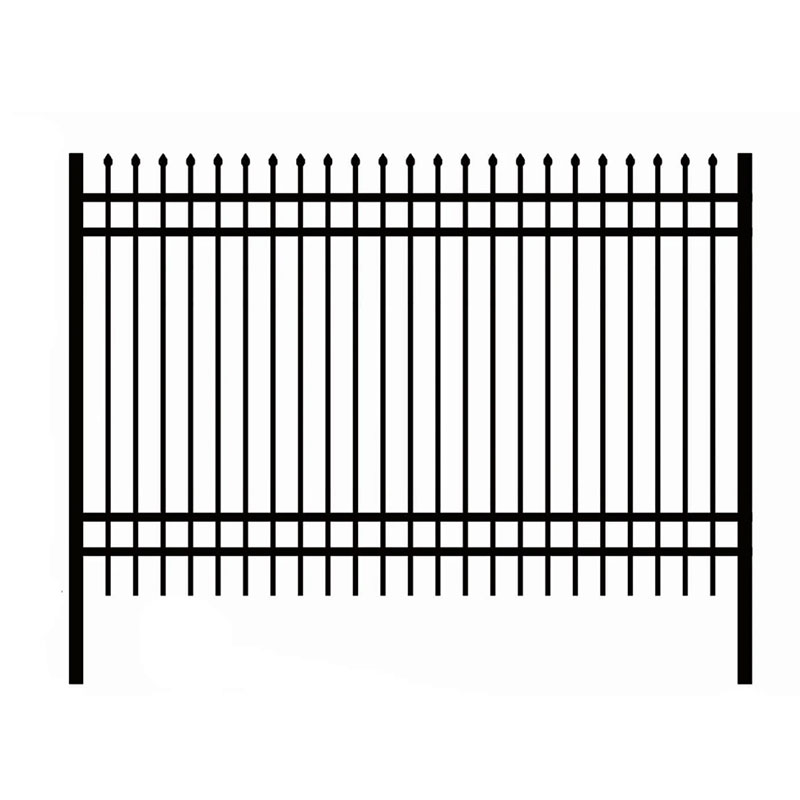
Steel picket fencing, also known as tube fencing, can be made from steel, aluminum, or wrought iron. Tubular steel offers you a simple, affordable and stylish option. All tube fencing can be custom designed to suit your requirements.
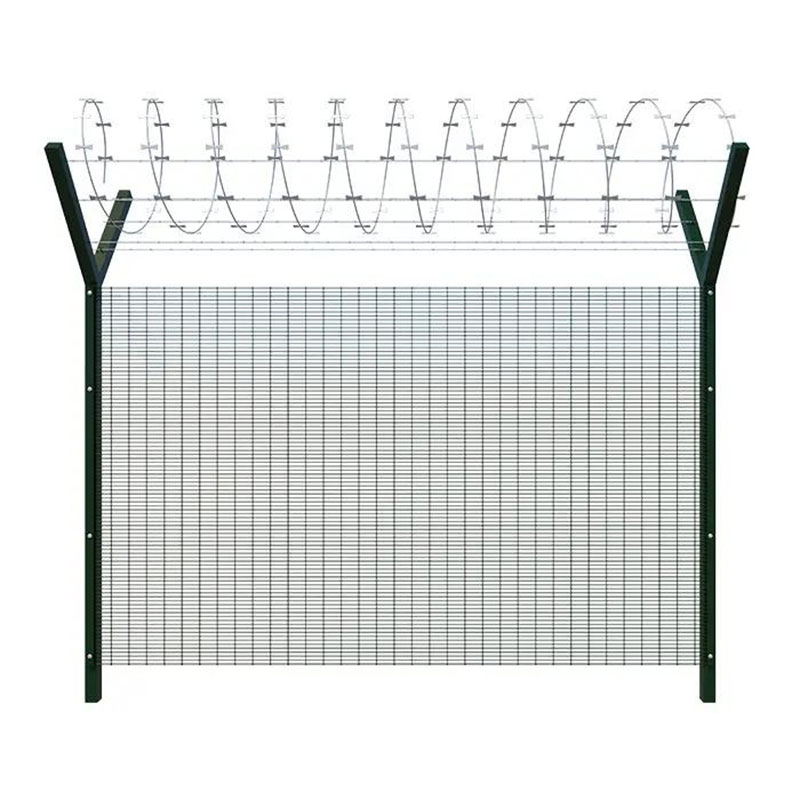
Airport fencing
Airport fencing, also known as "Y-post security fencing", is reinforced with V-shaped support brackets, welded mesh panels, security fittings and hot-dip galvanized spiral razor tape, providing exceptional strength and high security performance.
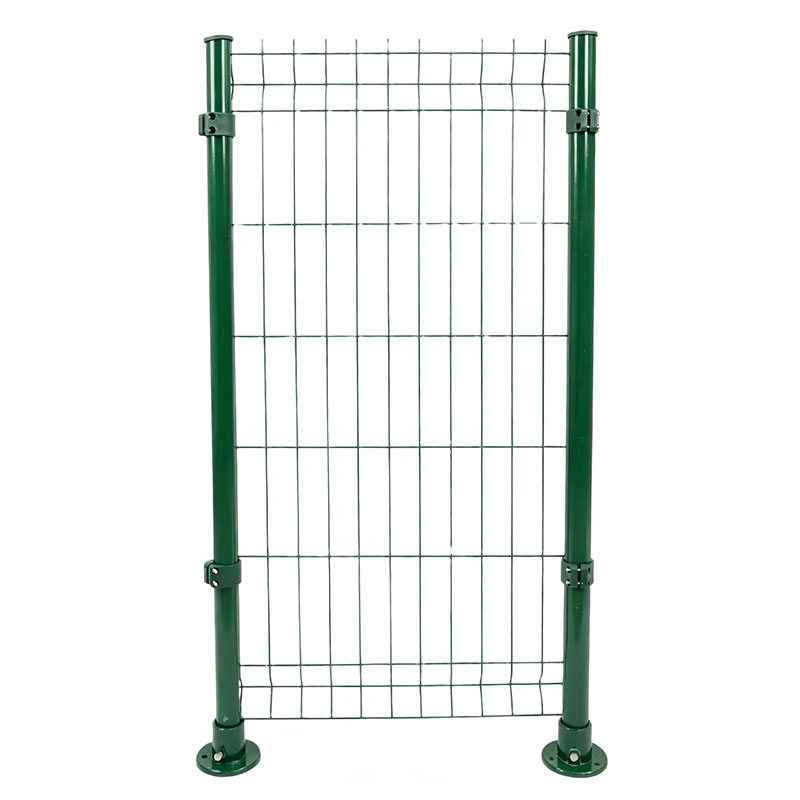
Round post
Tubular round posts are a common type of post used in metal fencing. Combined with special connecting elements, they form an extremely strong and durable fencing system that is also aesthetically pleasing, making them a frequent choice for projects where appearance is important.
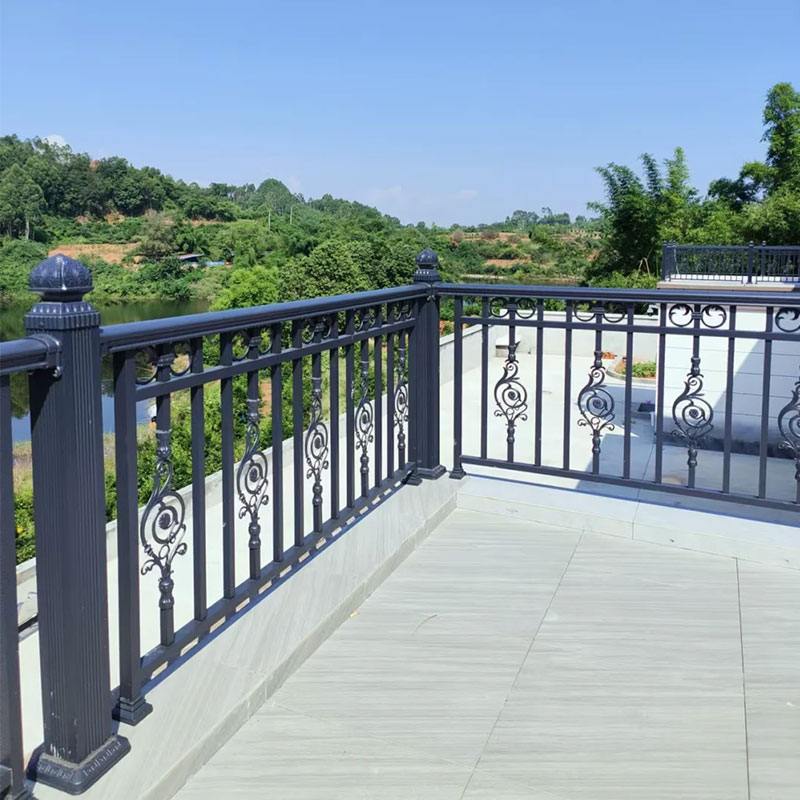
Balcony railings
This series of balcony railings includes two main types - wrought iron and aluminum alloy - suitable for private houses, villas, and residential balconies and terraces. Integrating safety protection, space division and façade decoration, railings feature a variety of styles, customizable designs and flexible material choices to suit a range of budgets and environments, providing an ideal solution for outdoor safety at home.
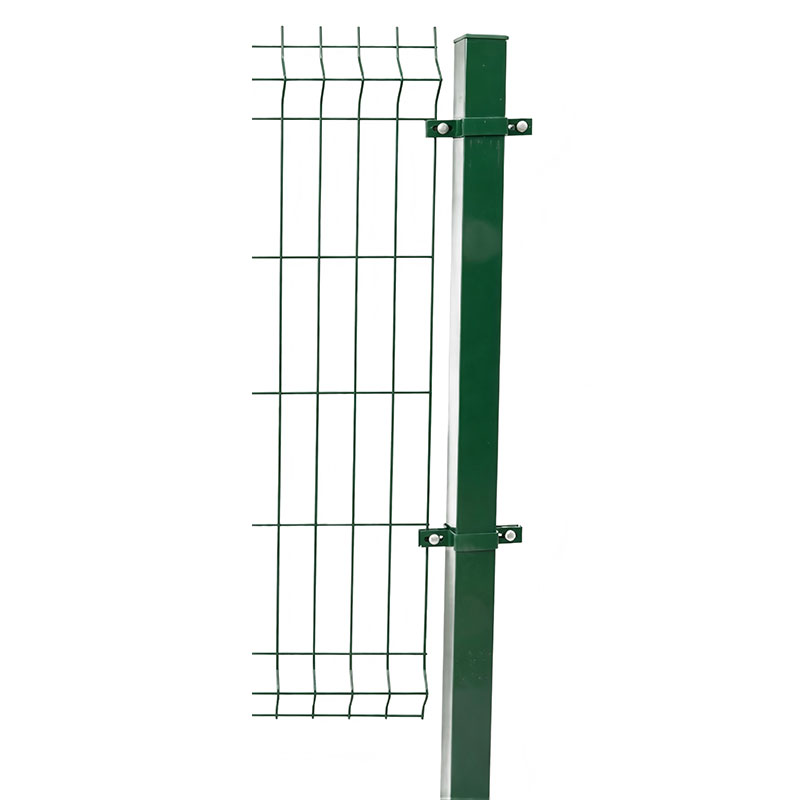
Poles and components
This series of fence posts includes H-shaped profiles and square tube, and comes with a complete set of mounting accessories, such as special clamps and connectors. The system uses a two-layer anti-corrosion process - a combination of hot-dip galvanized base and powder coating - and is made from steel formed by integral bending and stamping, which ensures structural uniformity and high strength.
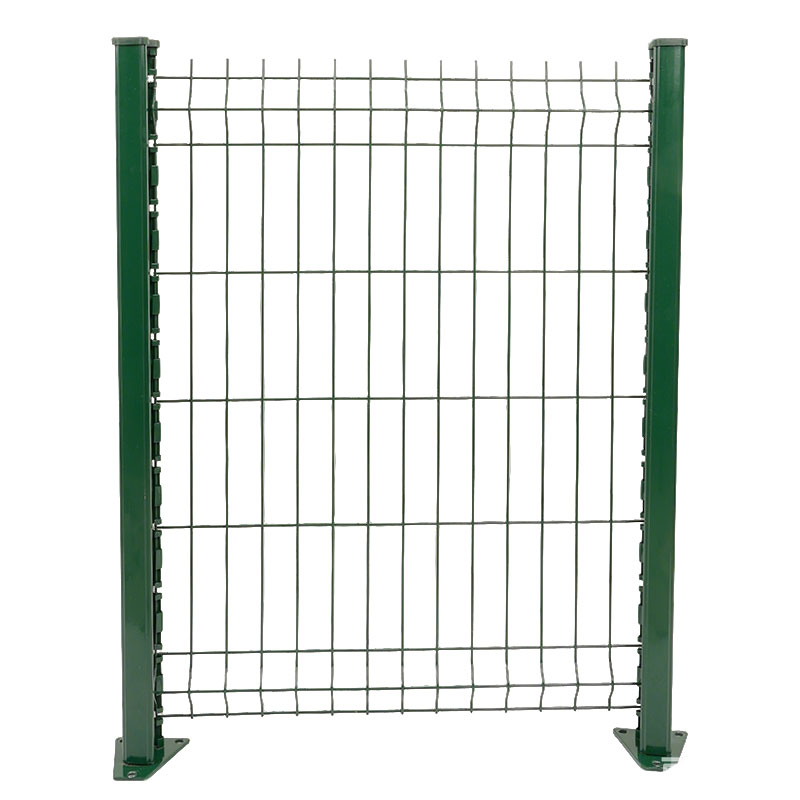
H-shaped post
H-shaped pole is a new type of pole jointly developed by our company and European customers. It has an attractive design and provides easy installation; Unlike traditional fencing that requires mounting clips, the mesh panel connects to the post by simply clicking into place for greater efficiency.
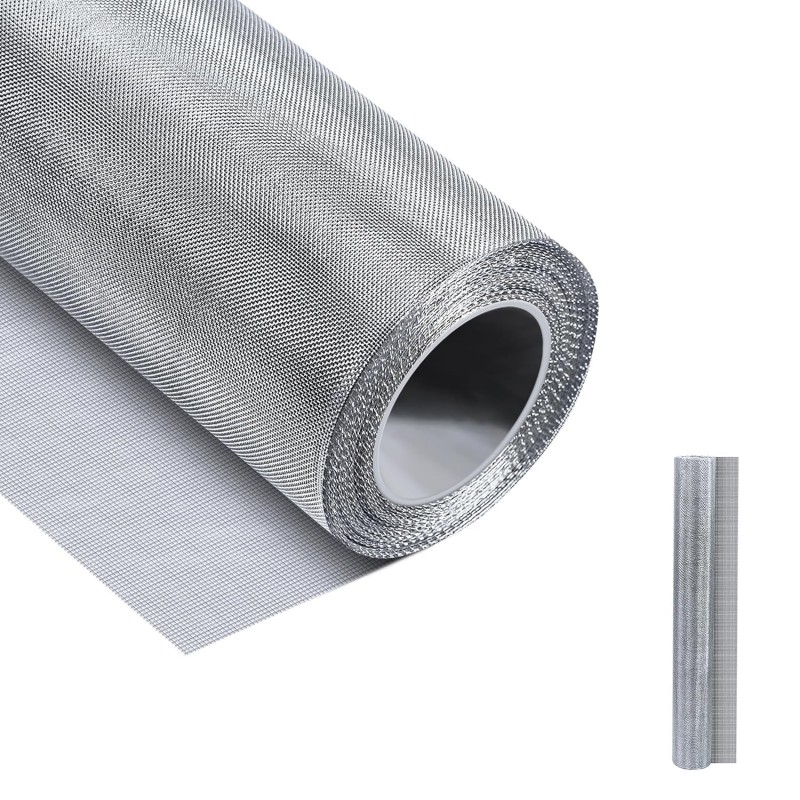
Stainless Steel Wire Mesh
Stainless steel wire mesh is a high-performance metal mesh with excellent corrosion resistance, heat resistance and oxidation resistance. It is widely used in filtration, industrial protection, architectural decoration, chemical, pharmaceutical and livestock industries.
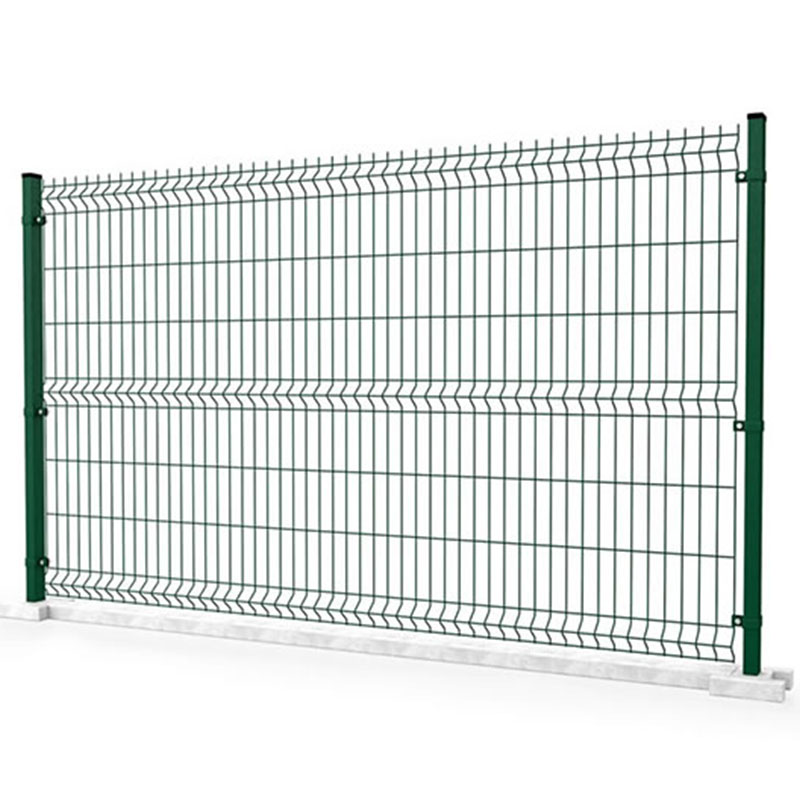
3D Curved Mesh Fence
The mesh is made from high quality cold drawn wire. The panels are formed by welding hot-dip galvanized wires or by galvanizing after welding. After careful inspection of the zinc coating, the panels undergo highly effective anti-corrosion treatments - such as electrostatic powder coating or PVC dip coating - ensuring a 15-year anti-corrosion life.
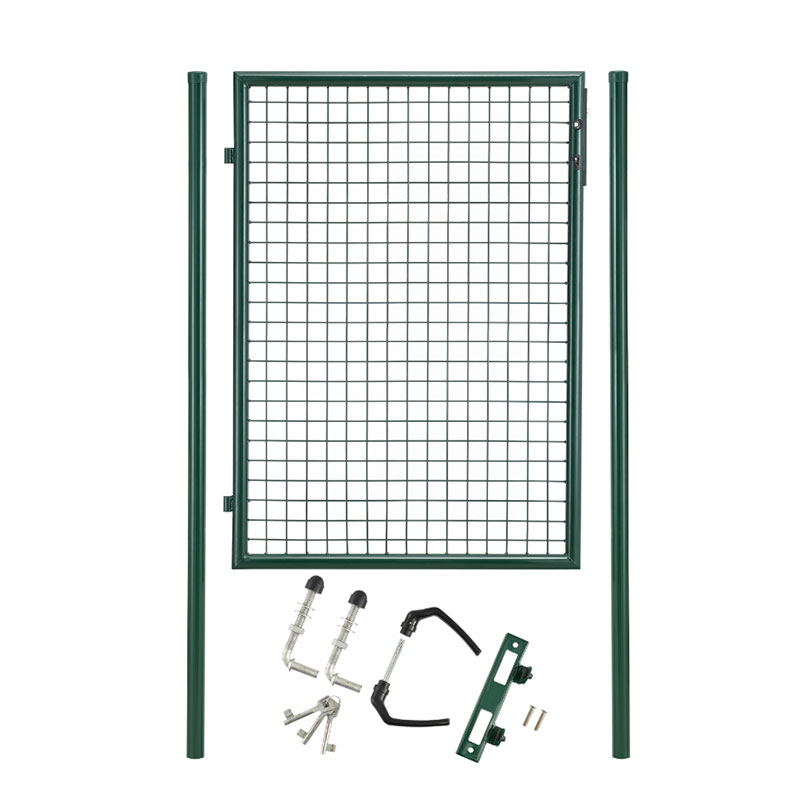
Mesh fence gate
Gates made from mesh fencing are easy to install, and you can change the opening direction if desired. The thinned profile will not affect the integrity of the entire fencing system, even if you install them anywhere.
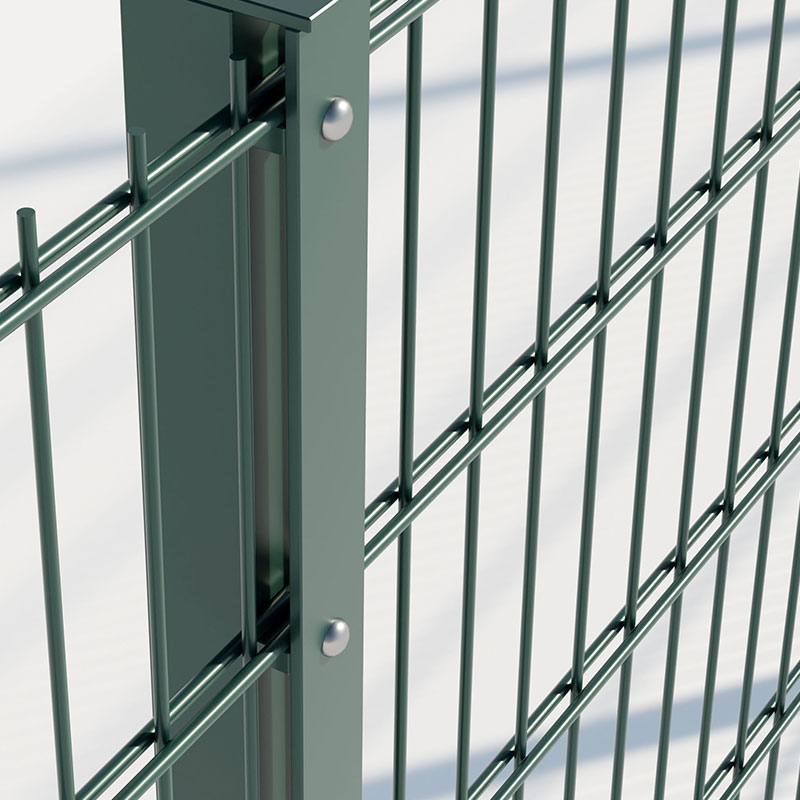
Double Wire Panel Fencing
Double wire panel fencing features lattice design, aesthetics, practicality and landscape design. In addition, because double wire panel fencing is easy to transport and install without the restrictions of difficult terrain, it is suitable for mountainous, hilly and winding areas.
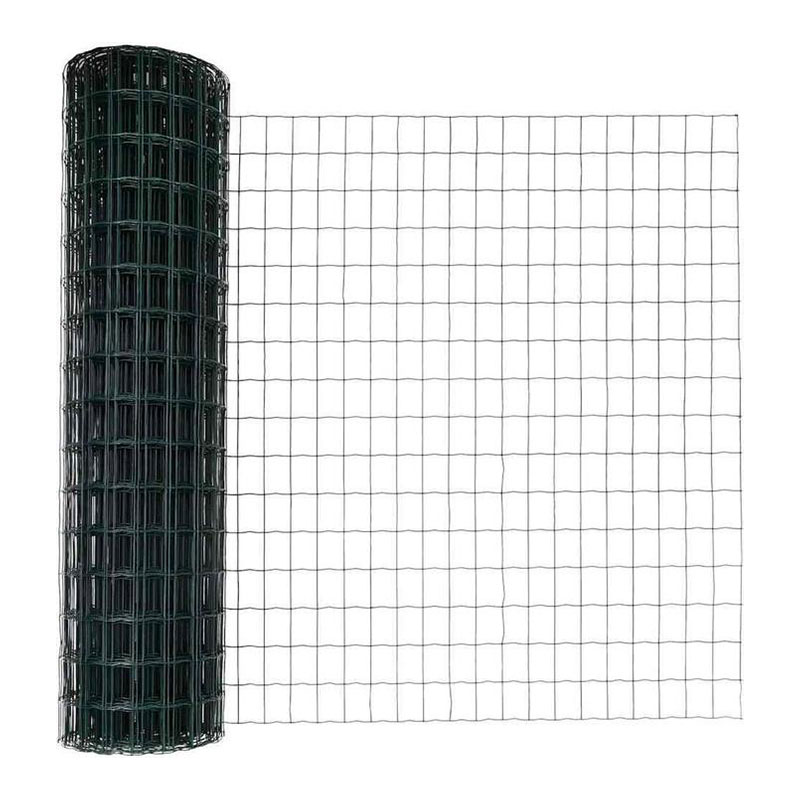
European fencing
Main material: High quality mild steel wire Surface treatment: Hot-dip galvanizing Electro-galvanizing PVC dip coating (available in green, black and other RAL colors)
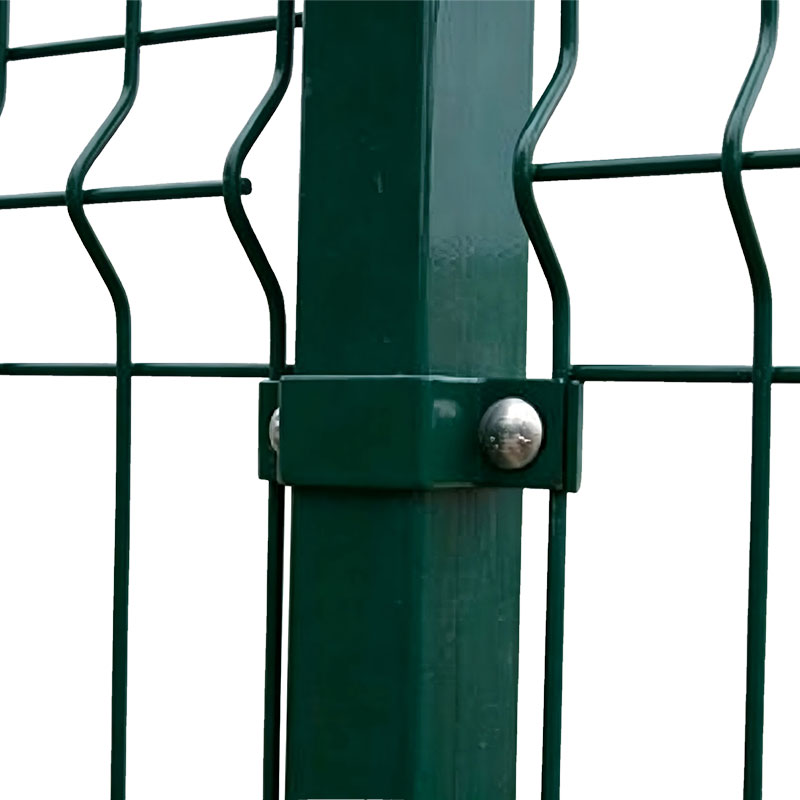
Square and rectangular post
Square and rectangular posts are the most widely used type of metal fencing posts. In combination with special clamps, they form a fencing structure that is extremely strong and reliable, with high load-bearing capacity and excellent mechanical properties; their strength can also be adjusted by choosing different material thicknesses.
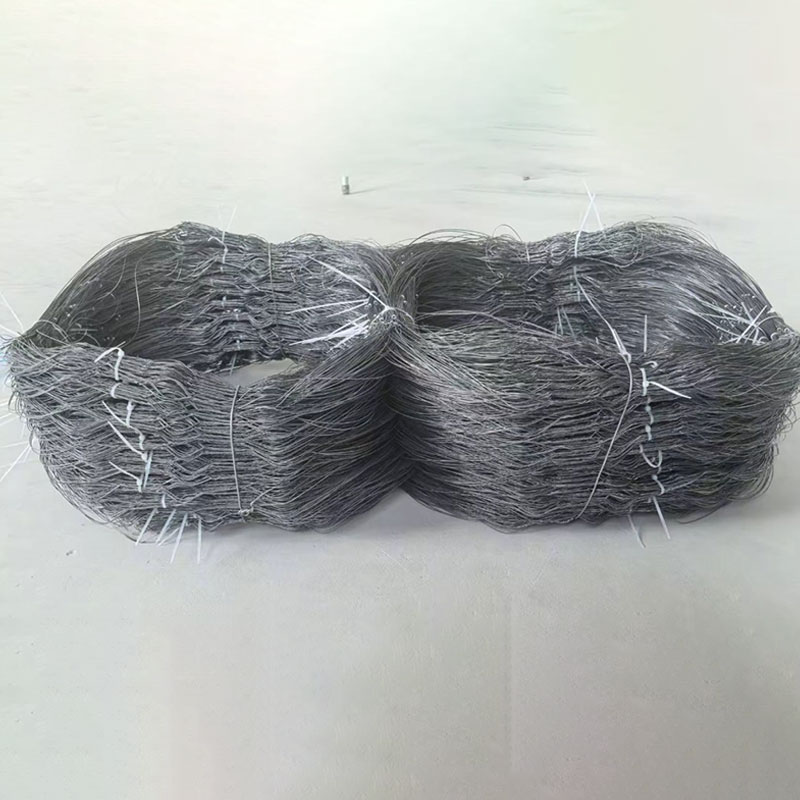
Anti-tank network
Anti-tank net, also called anti-tank mesh, is a protective wire net specially designed for defense against tanks. It has significant protective capabilities.
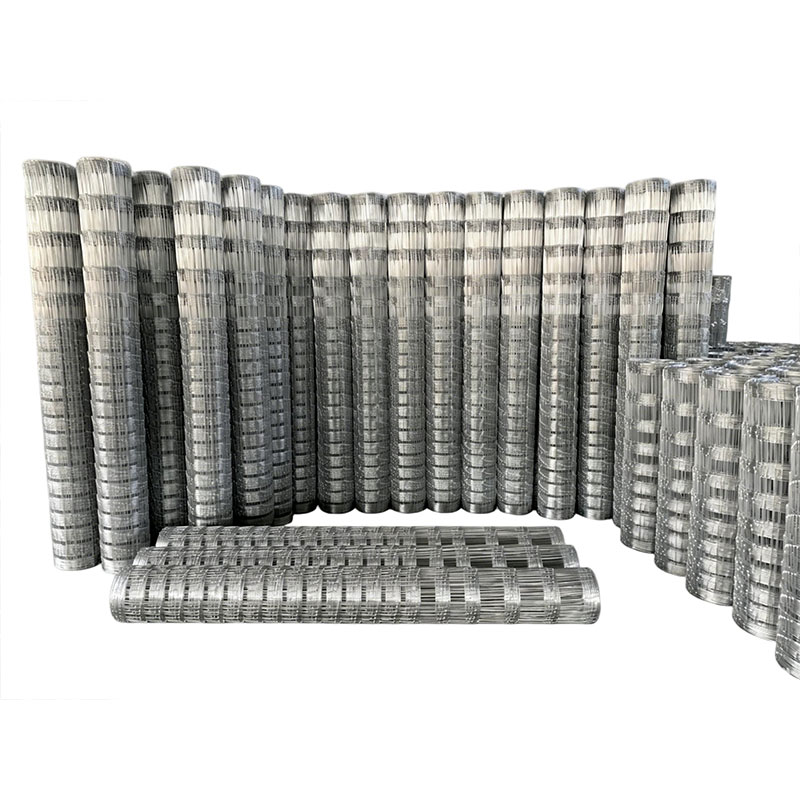
Pasture fencing
Pasture fencing, also known as cattle fencing, horse fencing or prairie fencing, is made by weaving high-tensile galvanized steel wire using special fixed knot technology. It is specifically designed for grazing management, livestock fencing, pasture division, forest protection and upland boundary isolation for cattle, sheep, horses, deer and other animals.
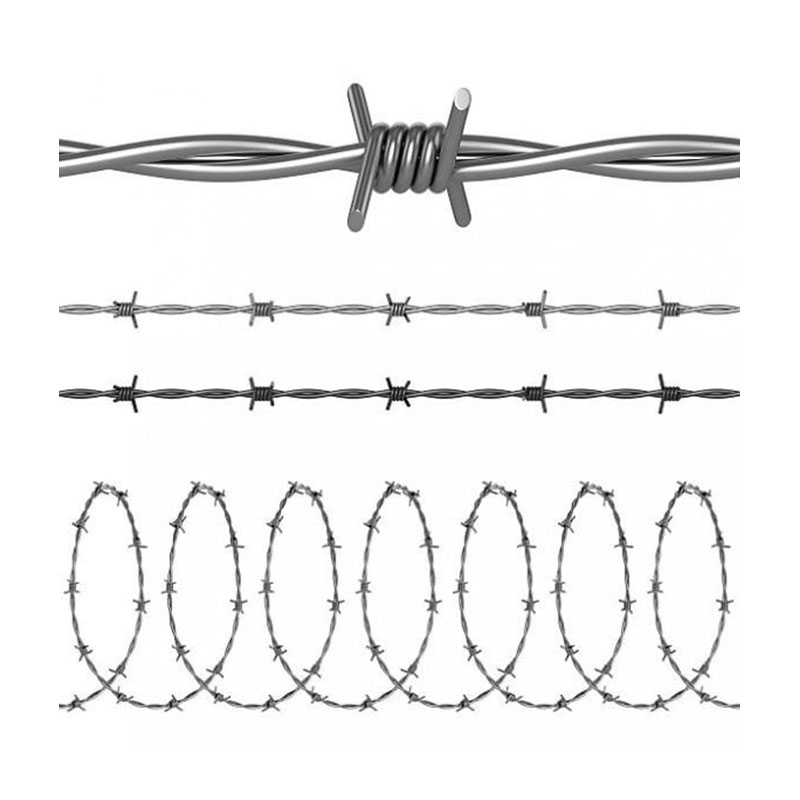
Barbed wire
Barbed wire is a type of fencing wire. It's essentially twisted wire with spikes wound around it every few inches. Depending on the twisting method, they are usually divided into regular twist barbed wire and reverse twist barbed wire.
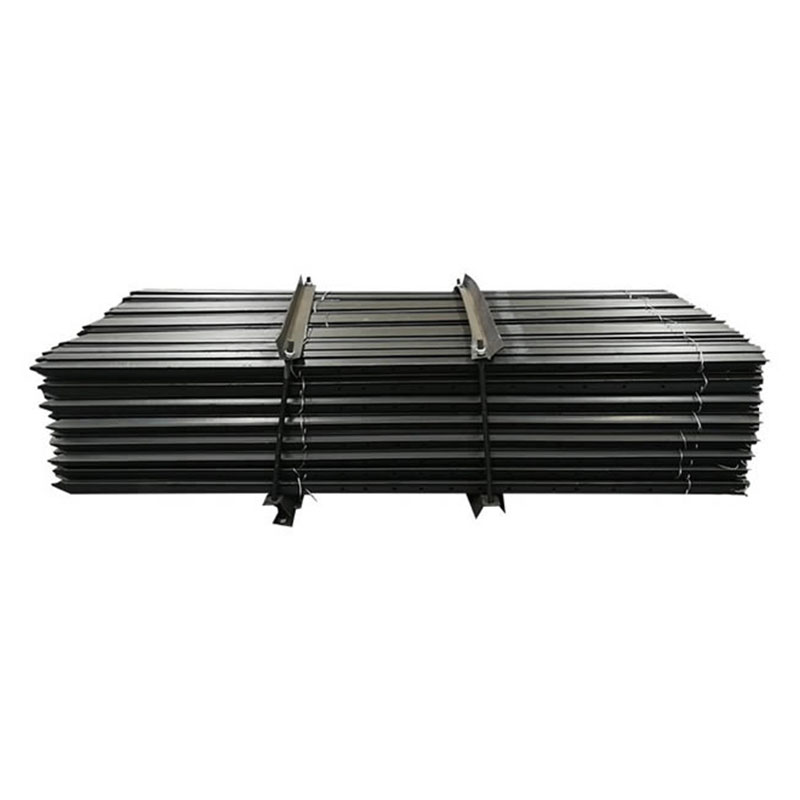
Y-post
The Y-post is made from regular carbon steel and is intended primarily for the New Zealand and Australian markets. Complies with American Standard A702-89. Usually the surface is painted black or galvanized. Installation is quick and easy. The Y-shaped post with edging is generally intended for the Israeli market.