

Products
Stainless Steel Wire Mesh
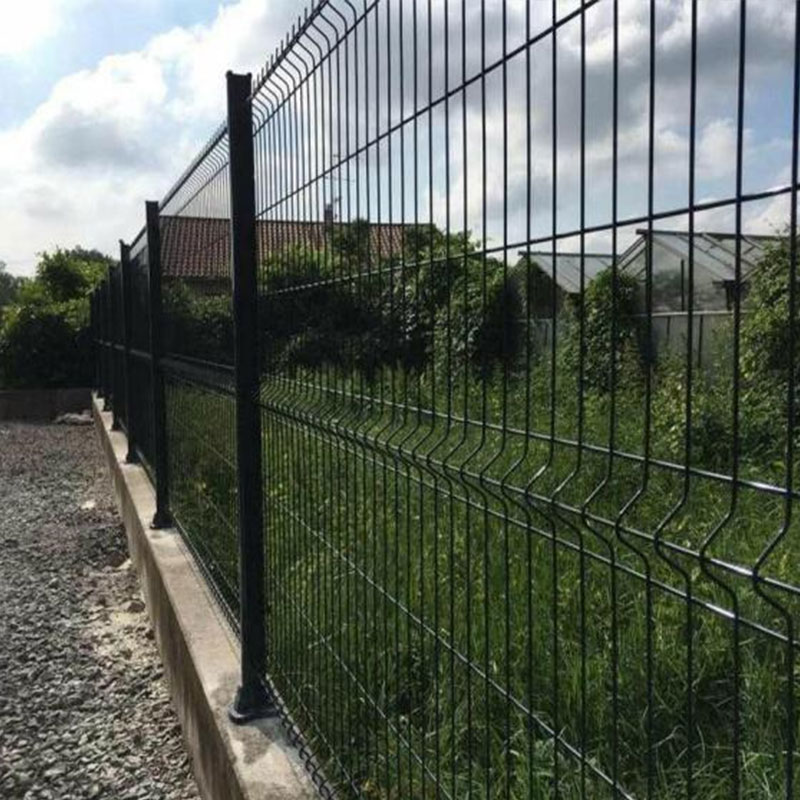
Stainless steel wire mesh is a high-performance metal mesh with excellent corrosion resistance, heat resistance and oxidation resistance. It is widely used in filtration, industrial protection, architectural decoration, chemical, pharmaceutical and livestock industries.
Description
marker
Product Description
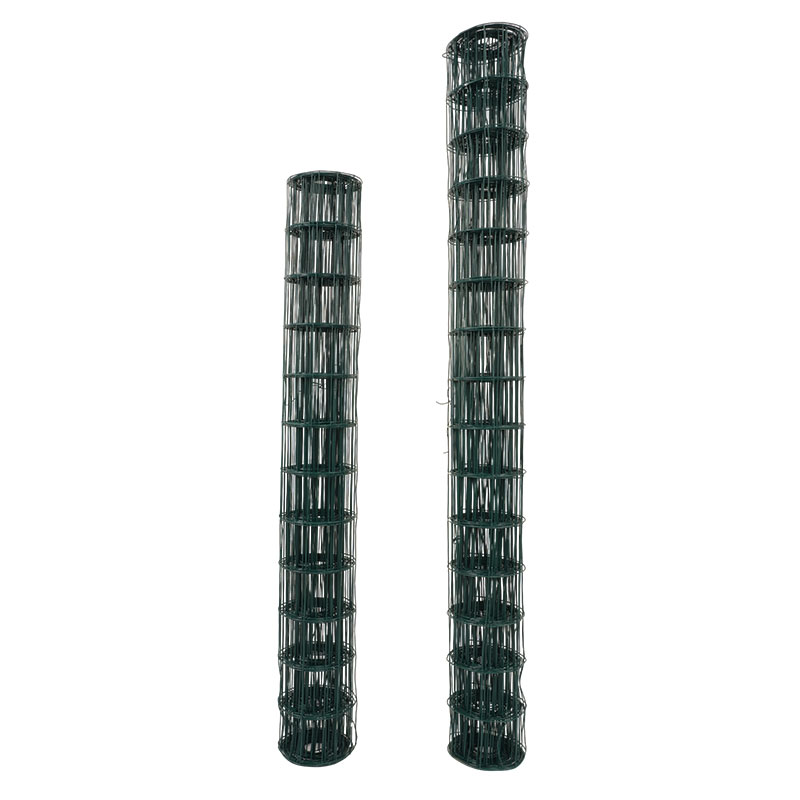
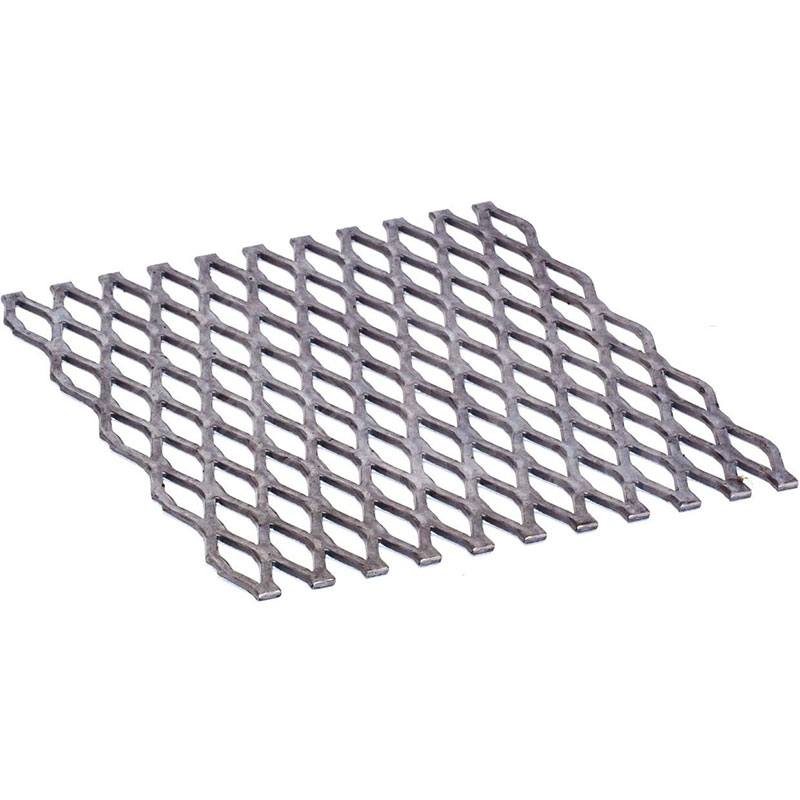
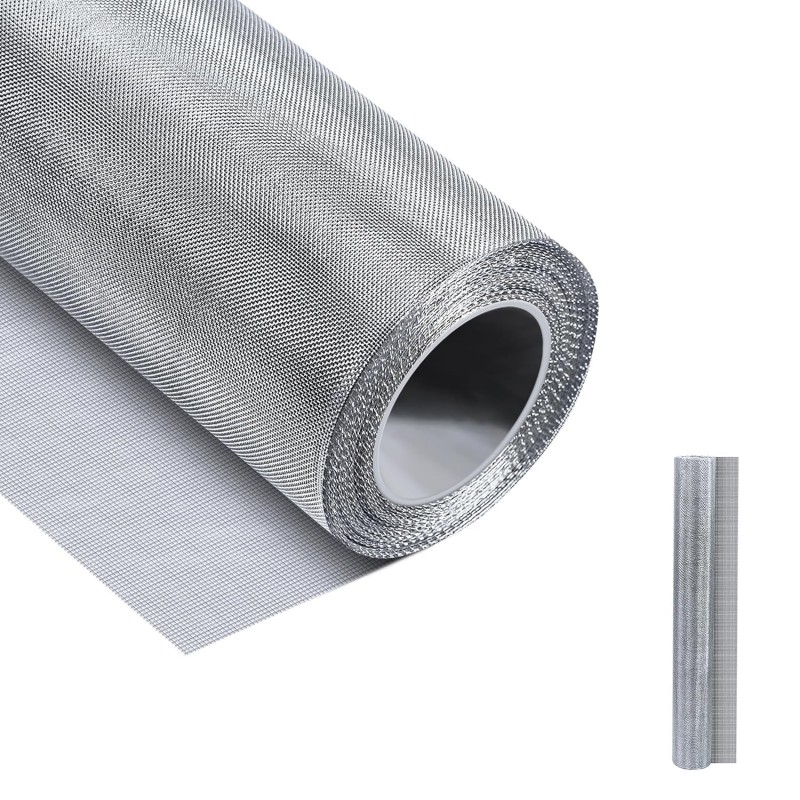
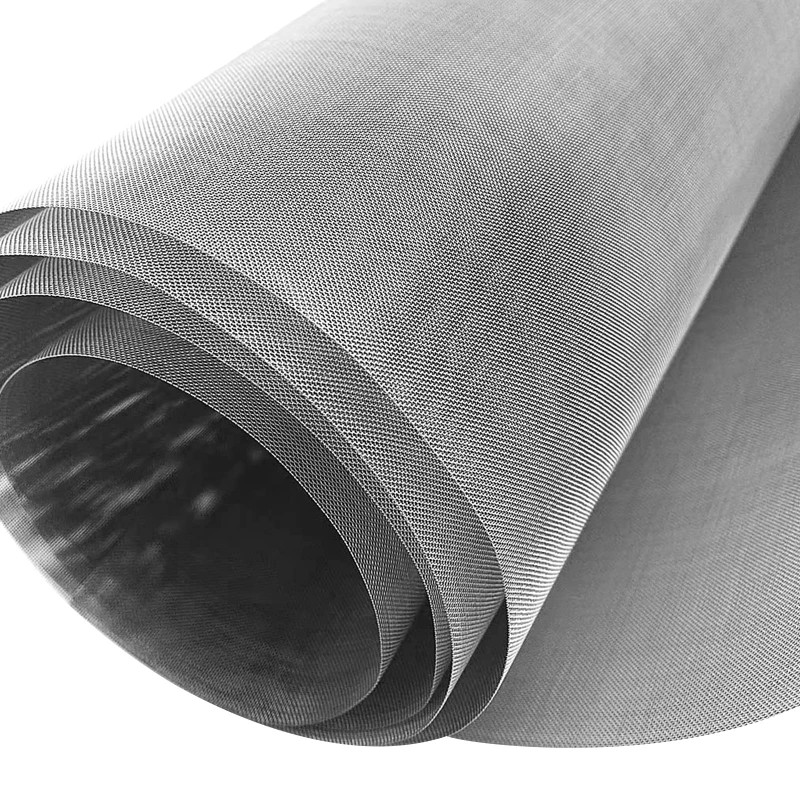
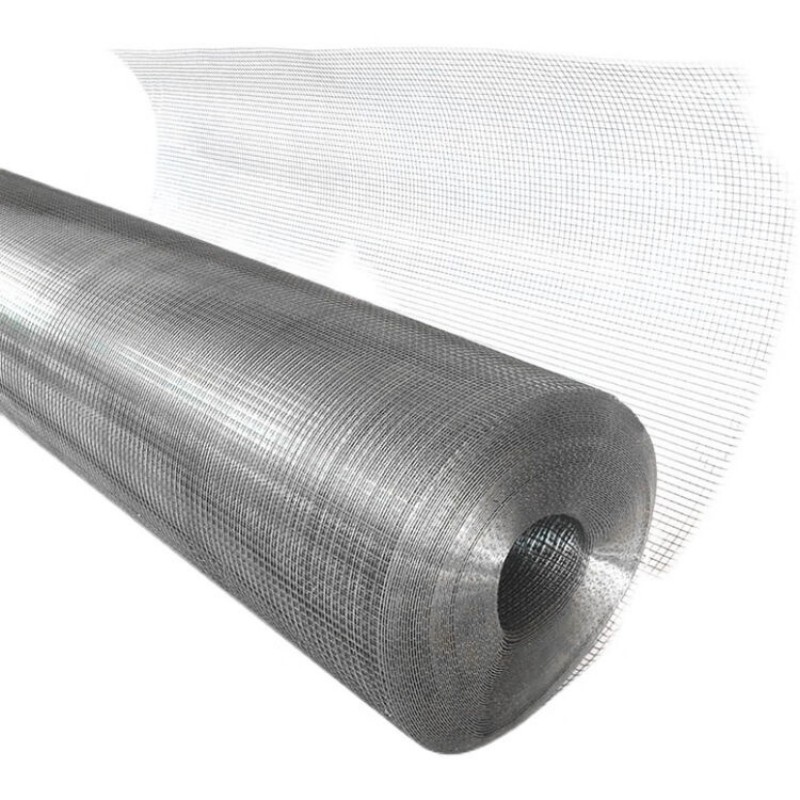
Stainless steel wire mesh is a high-performance metal mesh with excellent corrosion resistance, heat resistance and oxidation resistance. It is widely used in filtration, industrial protection, architectural decoration, chemical, pharmaceutical and livestock industries. The main products are divided into braided and welded types, which vary significantly in manufacturing technology, performance characteristics and applications.
Five common grades of stainless steel are used to suit a variety of applications and budgets: 201, 304, 304L, 316 and 316L. As a standard choice, 304 steel provides consistent acid and alkali resistance at excellent value for money for most common ambient temperature conditions. Low carbon 304L steel has excellent resistance to intergranular corrosion, ideal for welding and wet, acid-base environments. Molybdenum-containing steels 316 and 316L offer excellent resistance to chloride and marine corrosion, suitable for harsh environments in the marine, chemical and pharmaceutical industries. Low alloy 201 steel with moderate rust resistance is mainly used for protection in dry areas and simple space division.
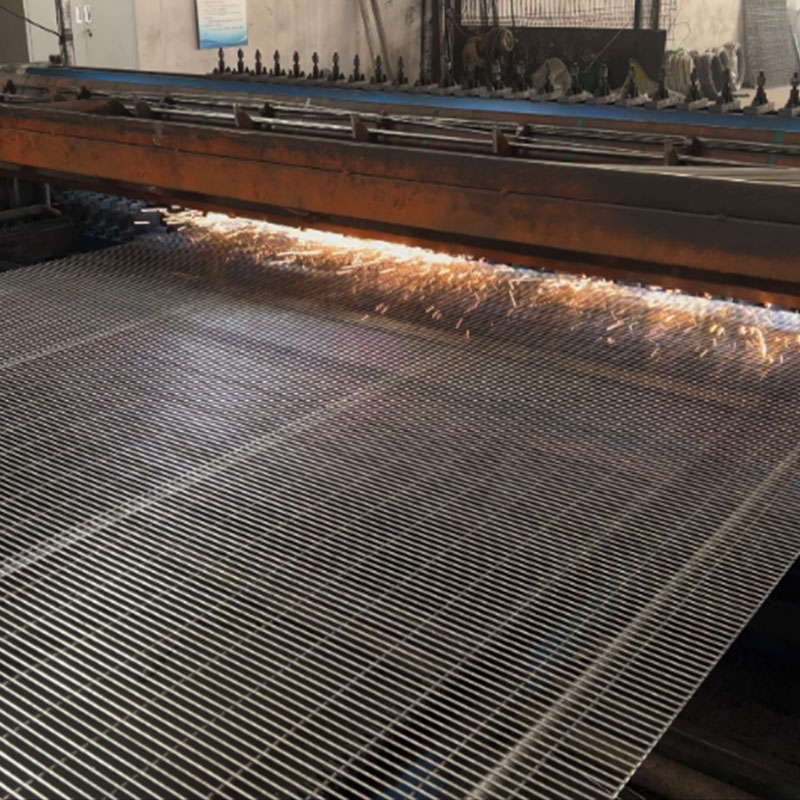
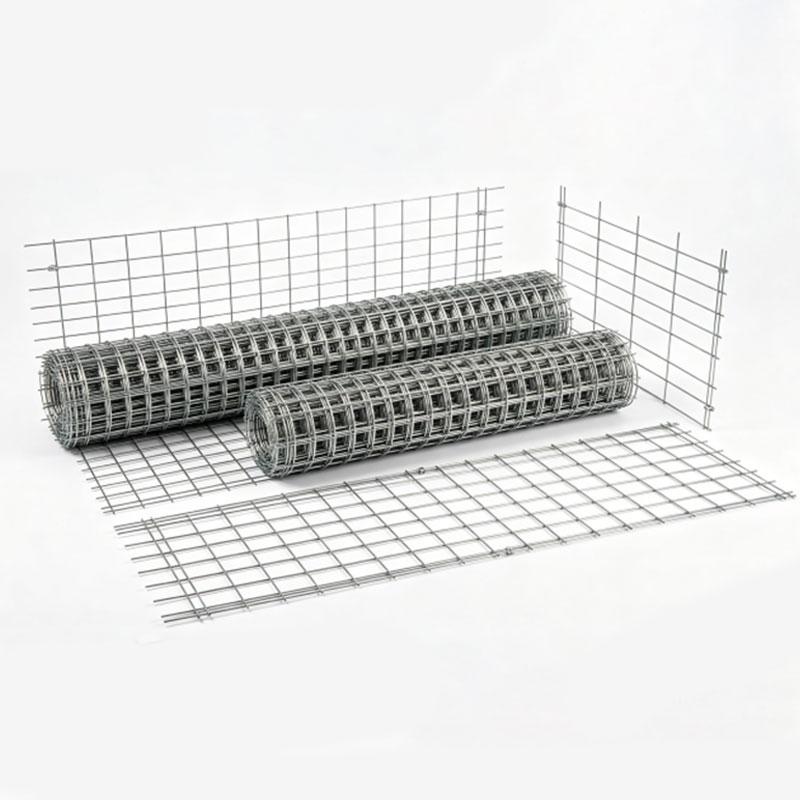
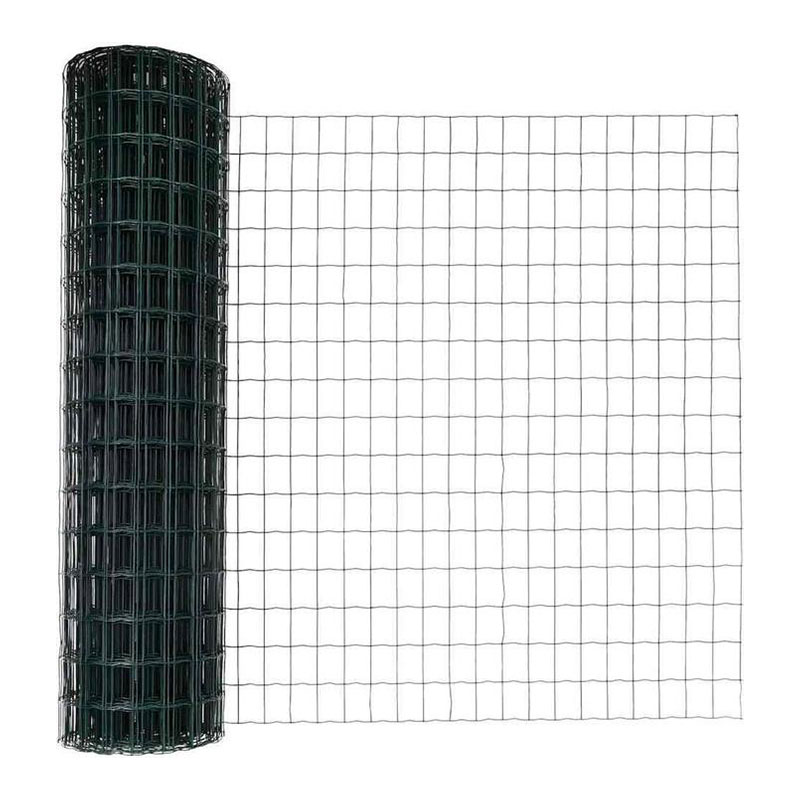
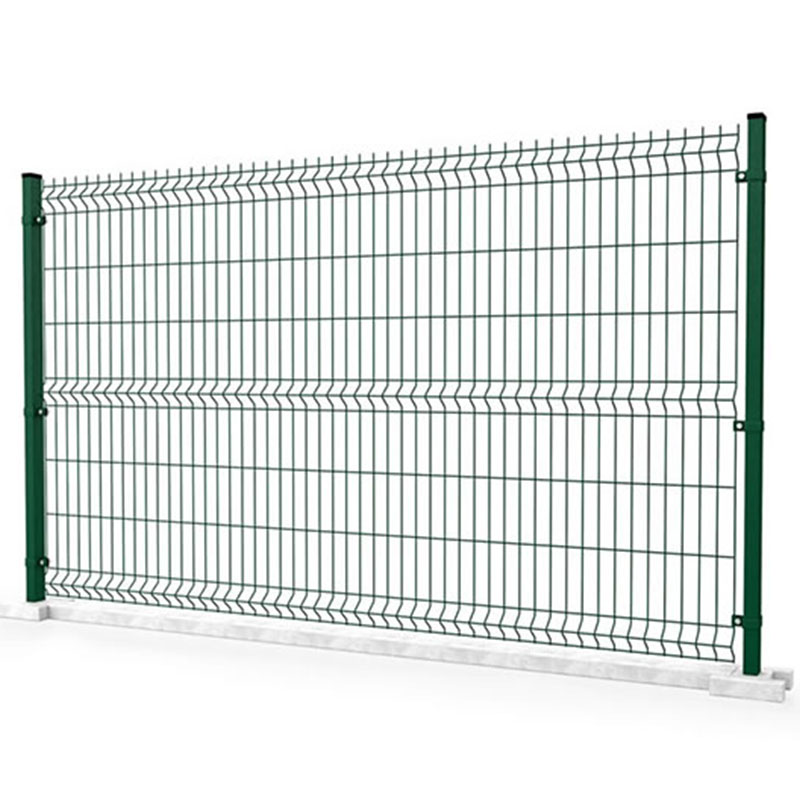
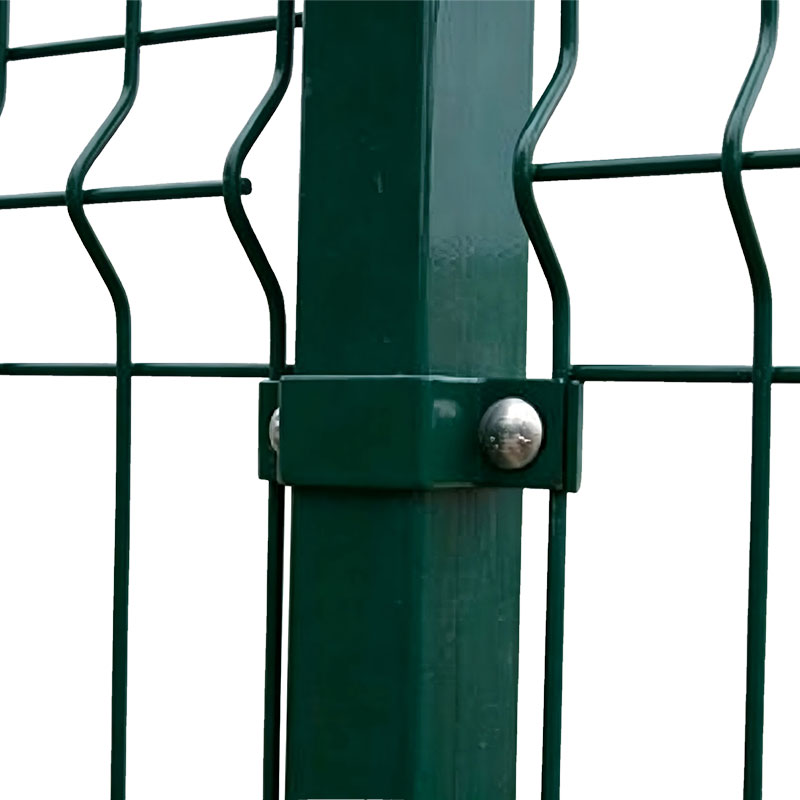
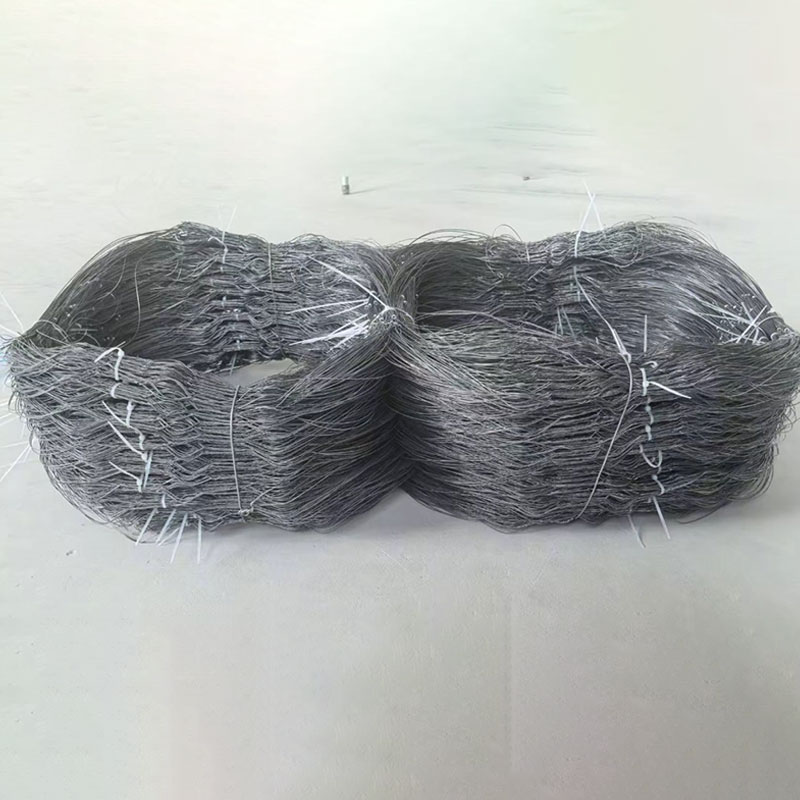
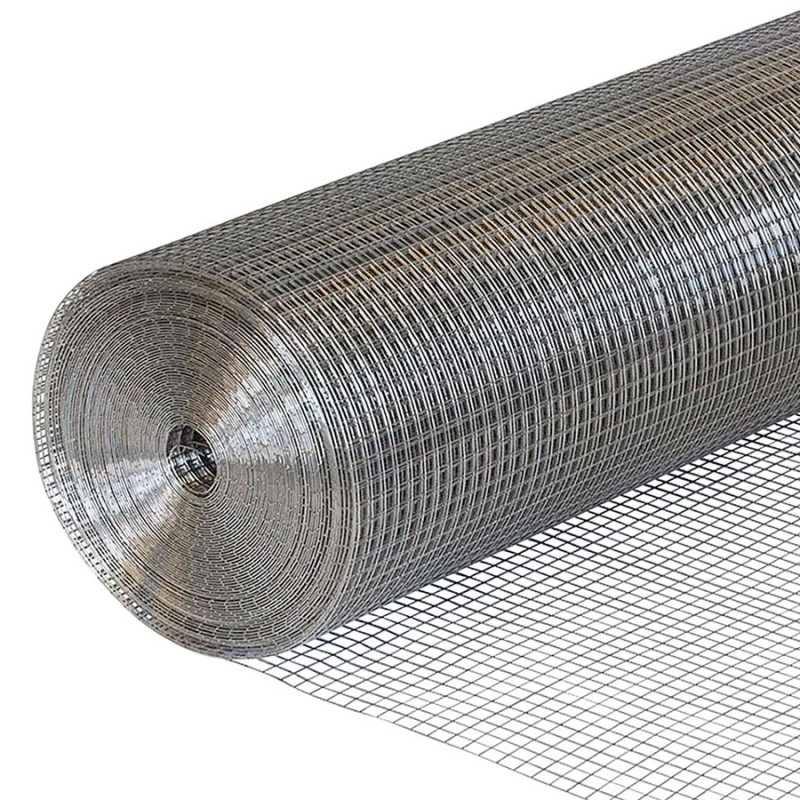
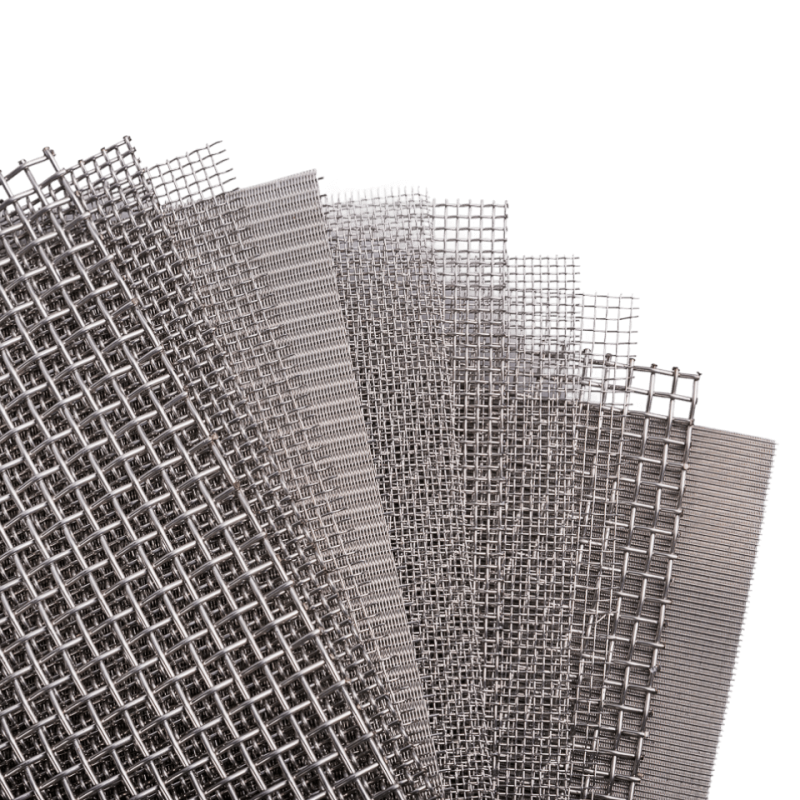
The two types use different manufacturing processes. Woven mesh is made by interweaving warp and weft threads without welding, including plain, twill and Dutch weaves, respectively designed for uniform mesh, dense load-bearing structures and high-precision filtration. It is finished by flattening, deburring and polishing to ensure a smooth and stable surface. The welded mesh is produced by a fully automated resistance welding method: stainless steel wires are positioned at a given pitch and fused at the intersection points, forming strong, uniform weld points, while subsequent processing ensures a rigid and integral mesh structure.
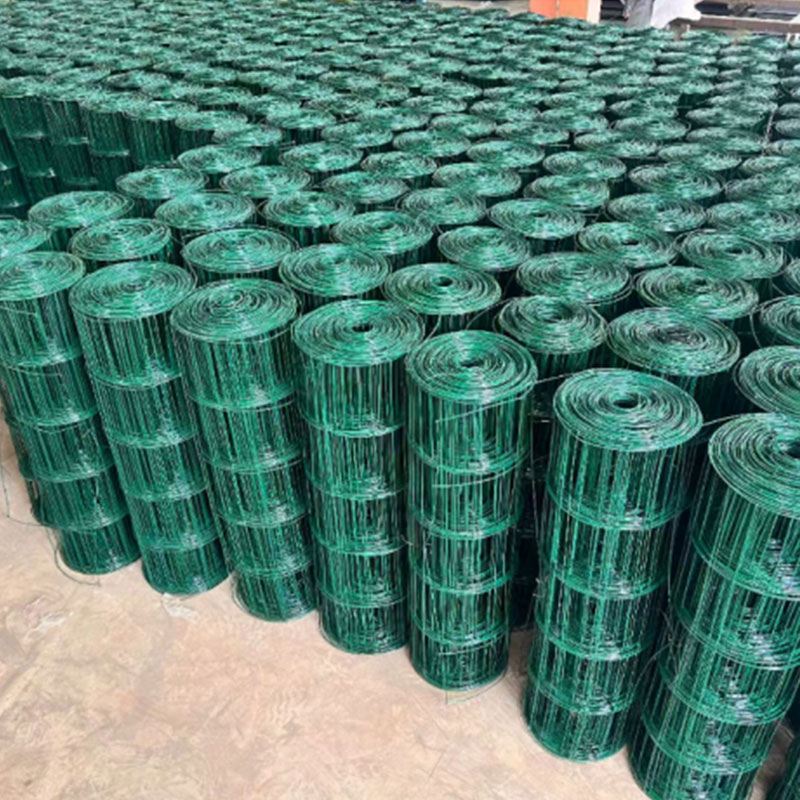
Both mesh types support standard and custom specifications. Woven mesh covers mesh size from 2 to 400 mesh with wire diameter 0.02-6mm, suitable for fine filtration and screening. Welded mesh covers mesh sizes from 1 to 100 mesh with wire diameters of 0.3-8mm, available in rolls or fixed panels for security fencing and livestock pens. In general, woven mesh is suitable for flexible, high-precision filtration applications, while welded mesh is optimal for rigid, high-strength barrier fencing, serving as reliable solutions for industrial and civil applications.
contact us
Related Popular Products
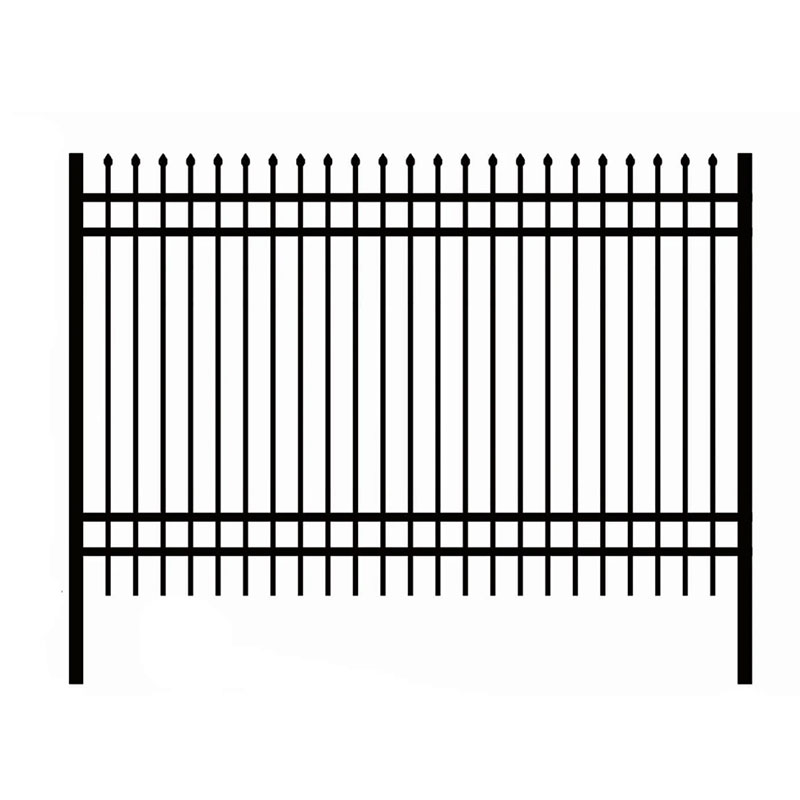
Steel fencing
Steel picket fencing, also known as tube fencing, can be made from steel, aluminum, or wrought iron. Tubular steel offers you a simple, affordable and stylish option. All tube fencing can be custom designed to suit your requirements.
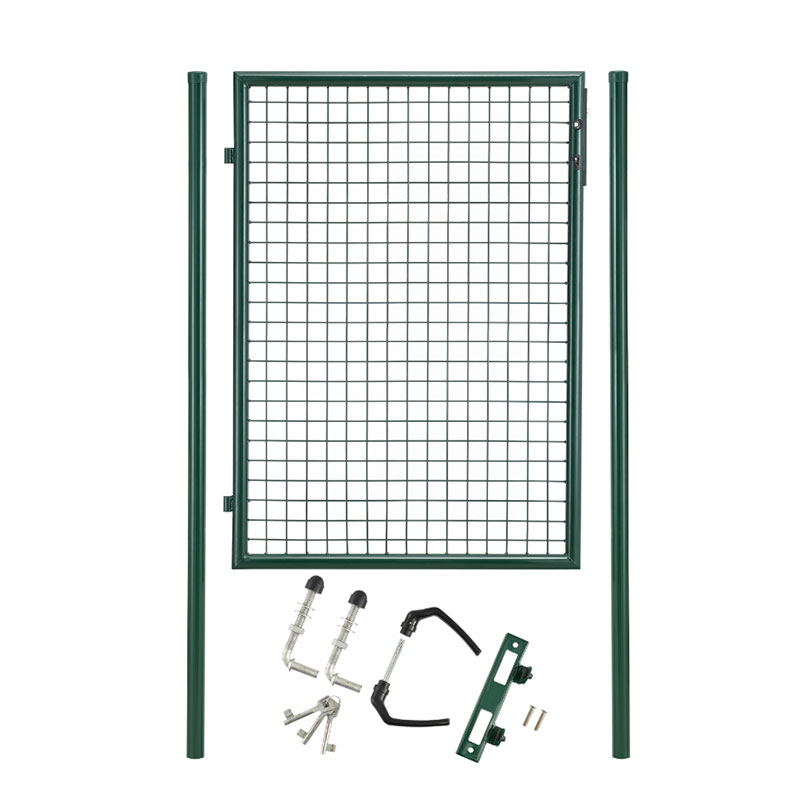
Mesh fence gate
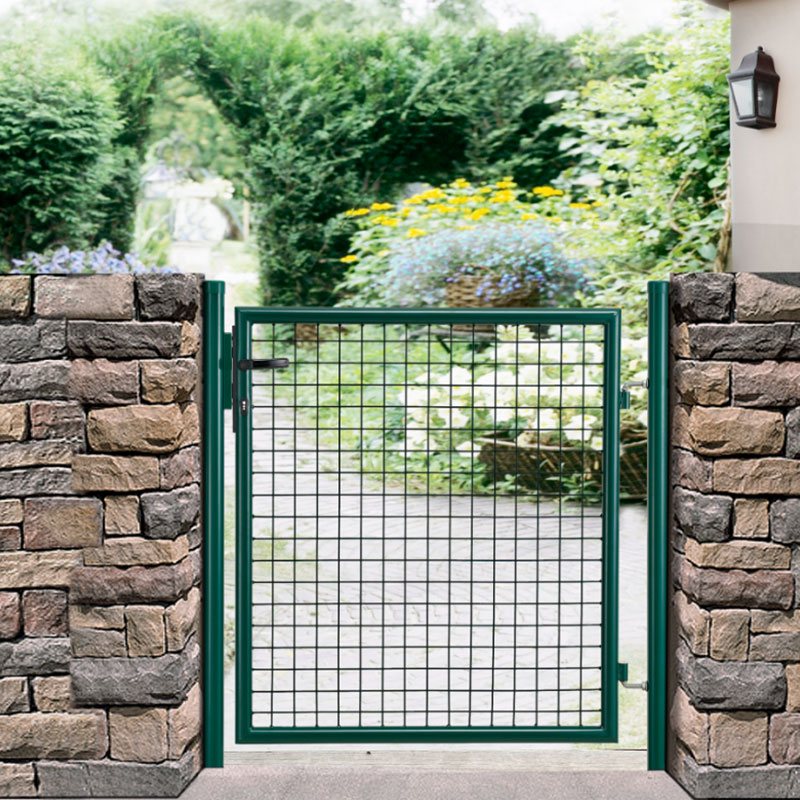
Gates made from mesh fencing are easy to install, and you can change the opening direction if desired. The thinned profile will not affect the integrity of the entire fencing system, even if you install them anywhere.
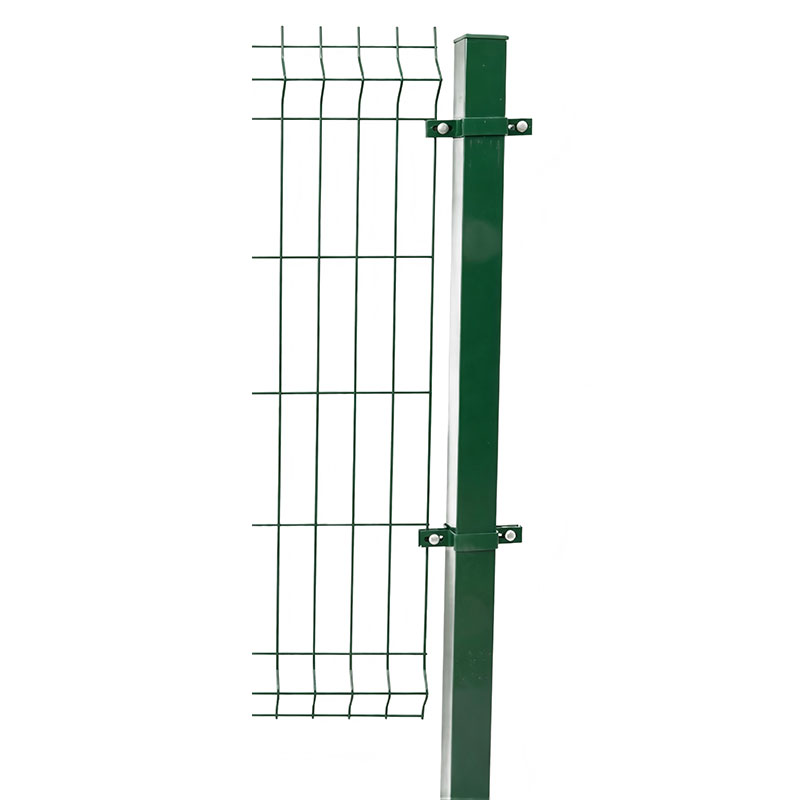
Poles and components
This series of fence posts includes H-shaped profiles and square tube, and comes with a complete set of mounting accessories, such as special clamps and connectors. The system uses a two-layer anti-corrosion process - a combination of hot-dip galvanized base and powder coating - and is made from steel formed by integral bending and stamping, which ensures structural uniformity and high strength.
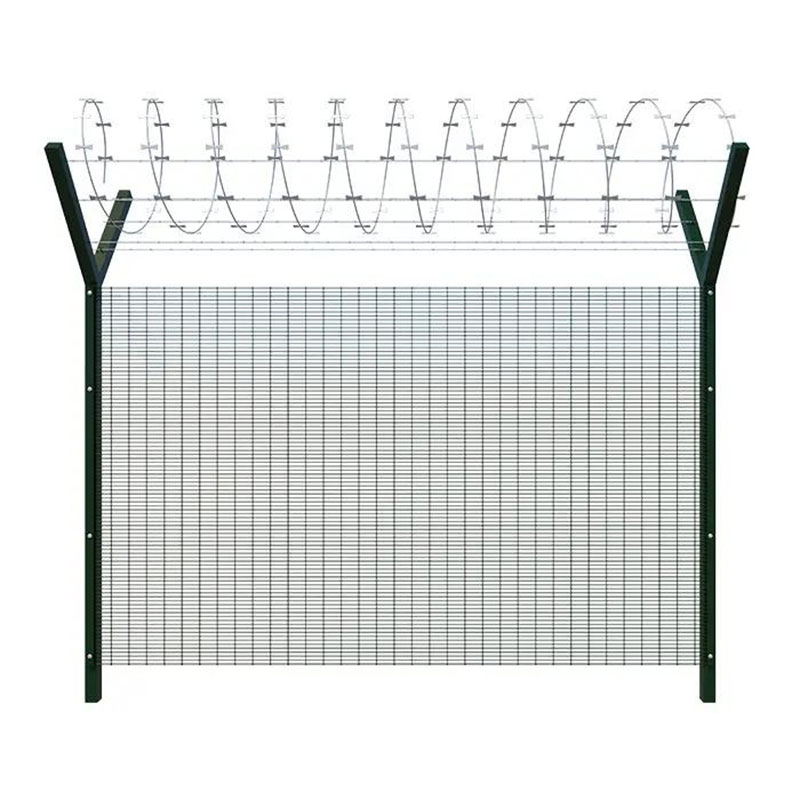
Airport fencing
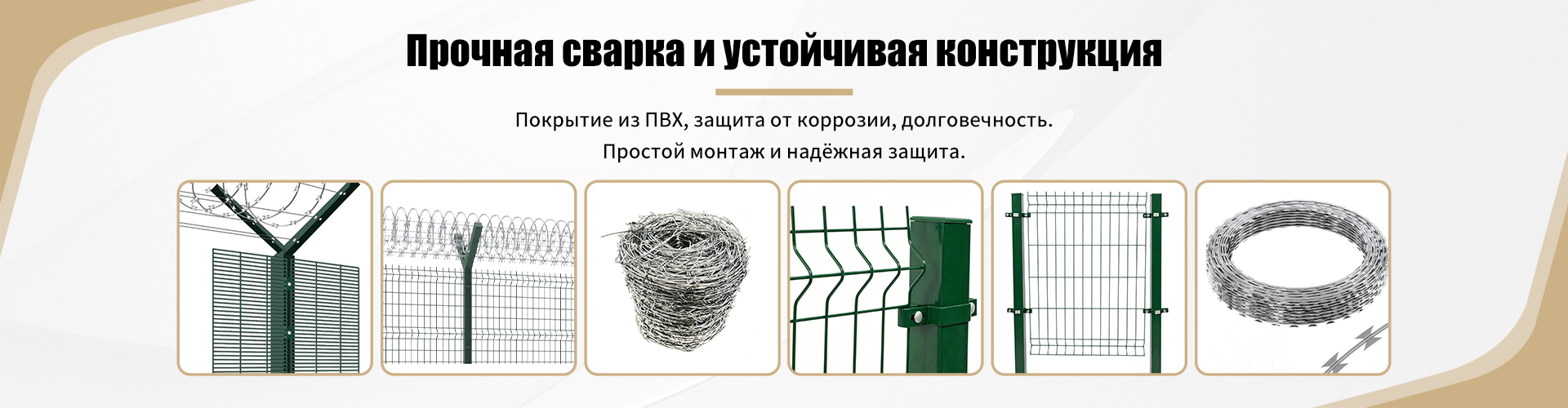
Airport fencing, also known as "Y-post security fencing", is reinforced with V-shaped support brackets, welded mesh panels, security fittings and hot-dip galvanized spiral razor tape, providing exceptional strength and high security performance.
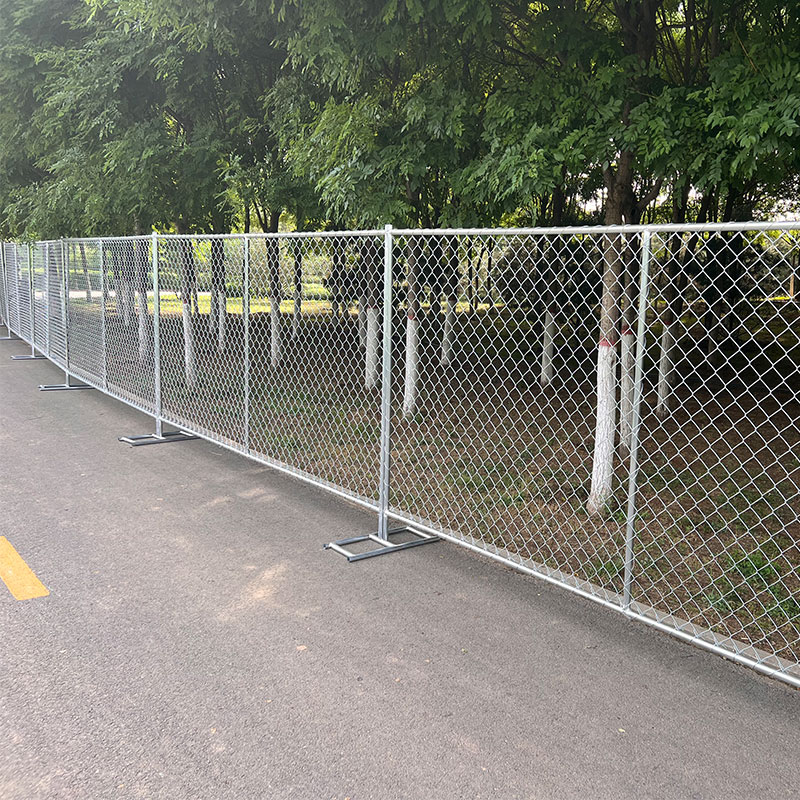
Chain-link fencing
Chain link fence (also called chicken wire, mesh fencing, chain link fence, cyclone mesh, hurricane mesh or diamond mesh) is one of the most common and widely used fencing in the world.
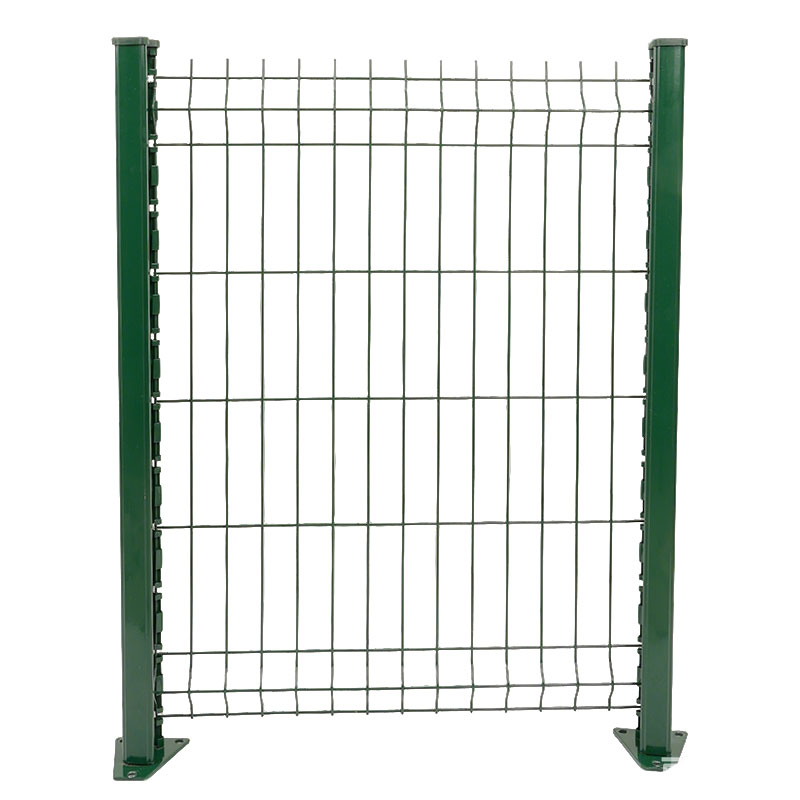
H-shaped post
H-shaped pole is a new type of pole jointly developed by our company and European customers. It has an attractive design and provides easy installation; Unlike traditional fencing that requires mounting clips, the mesh panel connects to the post by simply clicking into place for greater efficiency.
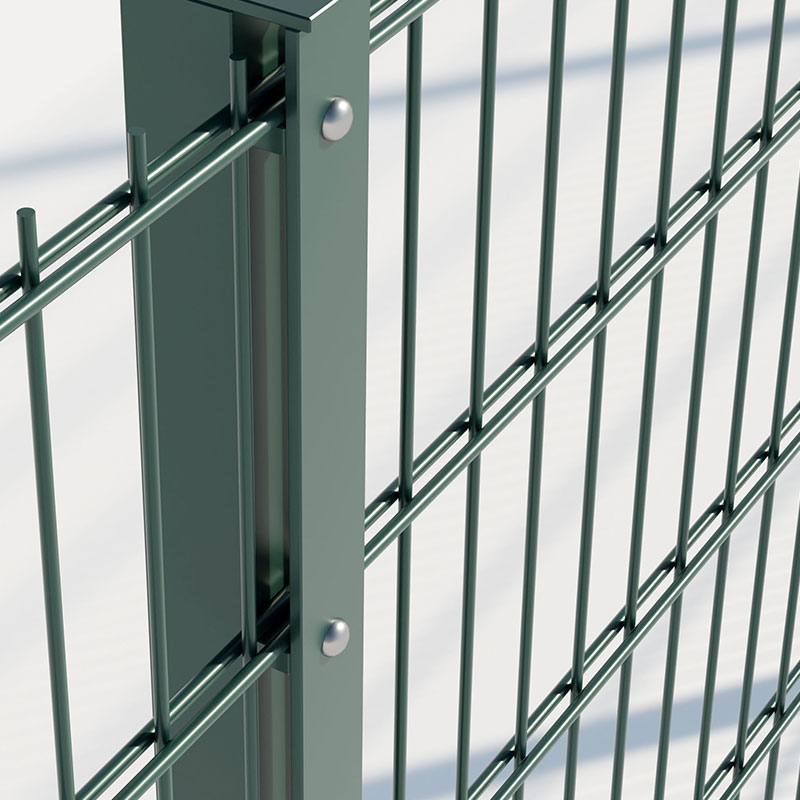
Double Wire Panel Fencing
Double wire panel fencing features lattice design, aesthetics, practicality and landscape design. In addition, because double wire panel fencing is easy to transport and install without the restrictions of difficult terrain, it is suitable for mountainous, hilly and winding areas.
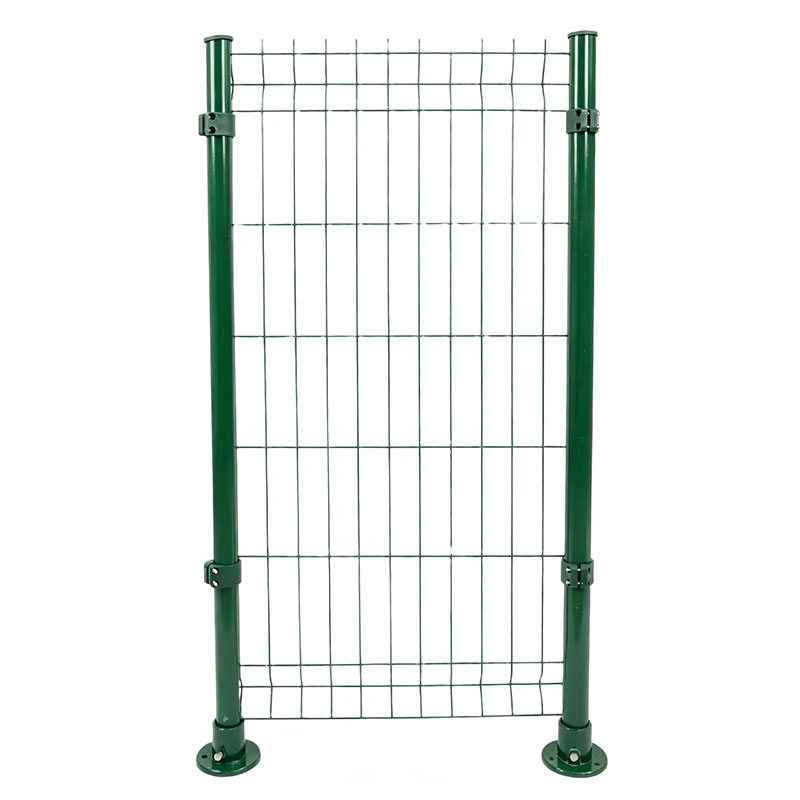
Round post
Tubular round posts are a common type of post used in metal fencing. Combined with special connecting elements, they form an extremely strong and durable fencing system that is also aesthetically pleasing, making them a frequent choice for projects where appearance is important.

Perforated metal sheet
Perforated metal sheet (also known as perforated sheet or plate) is a product made from metal sheets such as steel, stainless steel or aluminum using CNC punching equipment to create a uniform pattern of holes in a single operation.
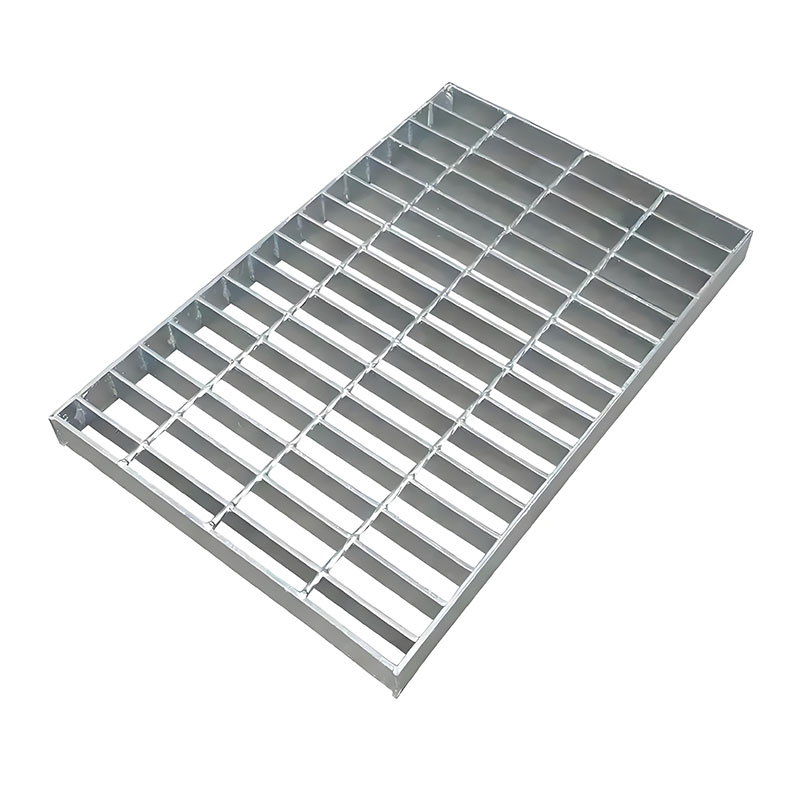
Steel grating
Steel grating is a high-strength structural plate formed by high-pressure welding of load-bearing strips and cross strips, usually made of carbon steel, galvanized steel or stainless steel as raw materials. It is a widely used industrial decking and drainage product known for its lightweight yet high load-bearing capacity, outstanding ventilation and anti-slip properties.
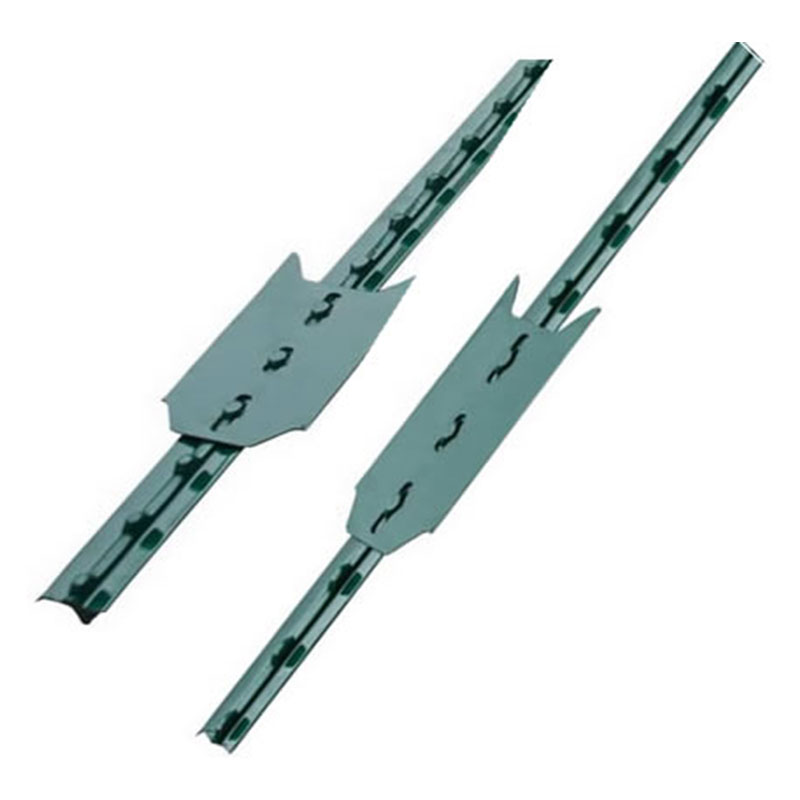
T-post
The T-post is a versatile fence post designed to provide strong support for a variety of fence systems. Equipped with welded feet at the base, the post provides increased stability by firmly gripping the ground, while ridges along the length of the post prevent the fence wire from slipping.
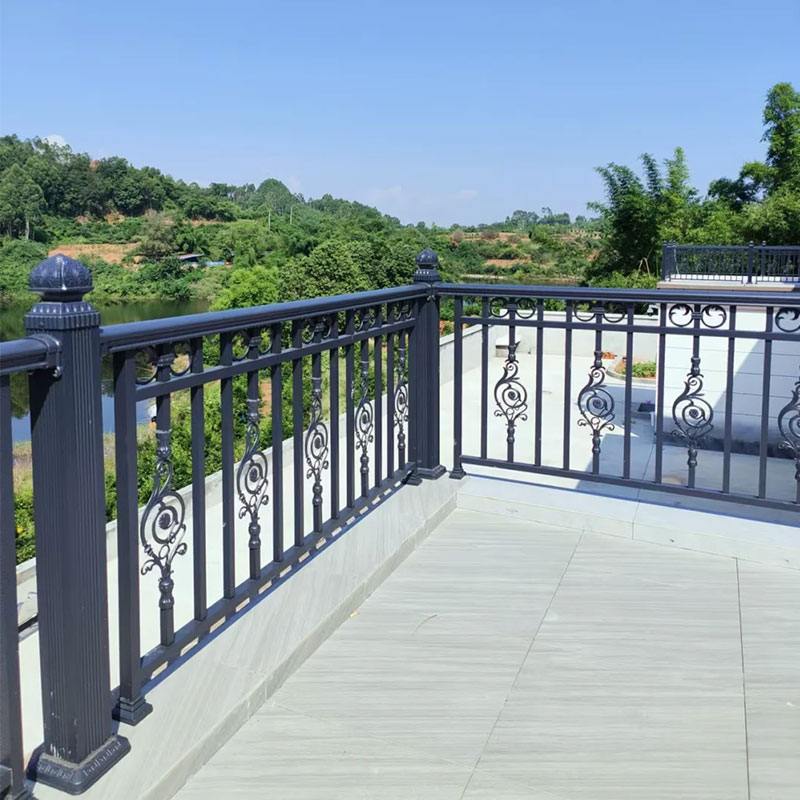
Balcony railings
This series of balcony railings includes two main types - wrought iron and aluminum alloy - suitable for private houses, villas, and residential balconies and terraces. Integrating safety protection, space division and façade decoration, railings feature a variety of styles, customizable designs and flexible material choices to suit a range of budgets and environments, providing an ideal solution for outdoor safety at home.
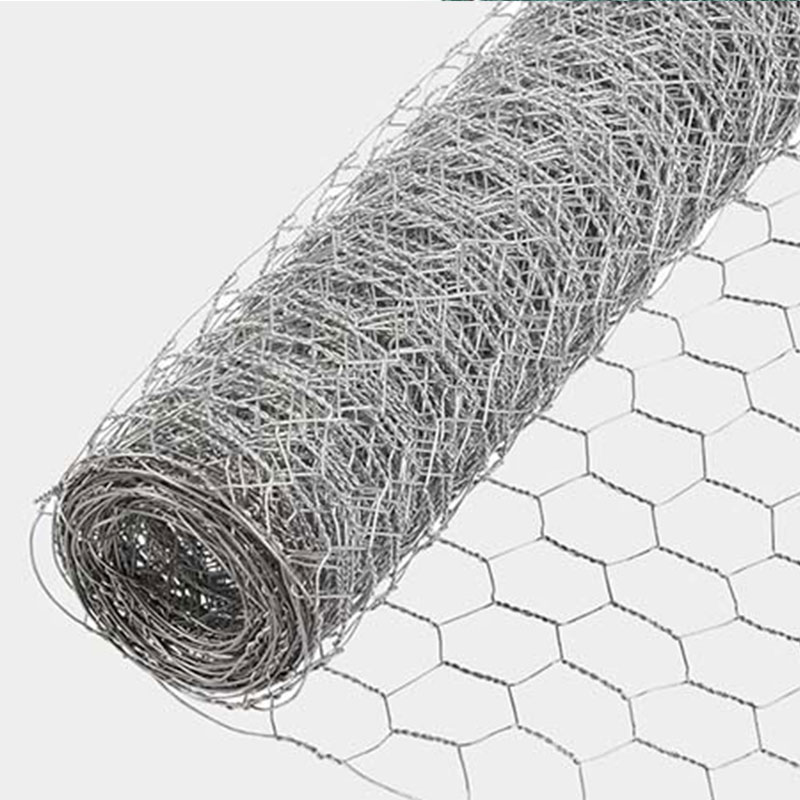
Hexagonal Wire Mesh
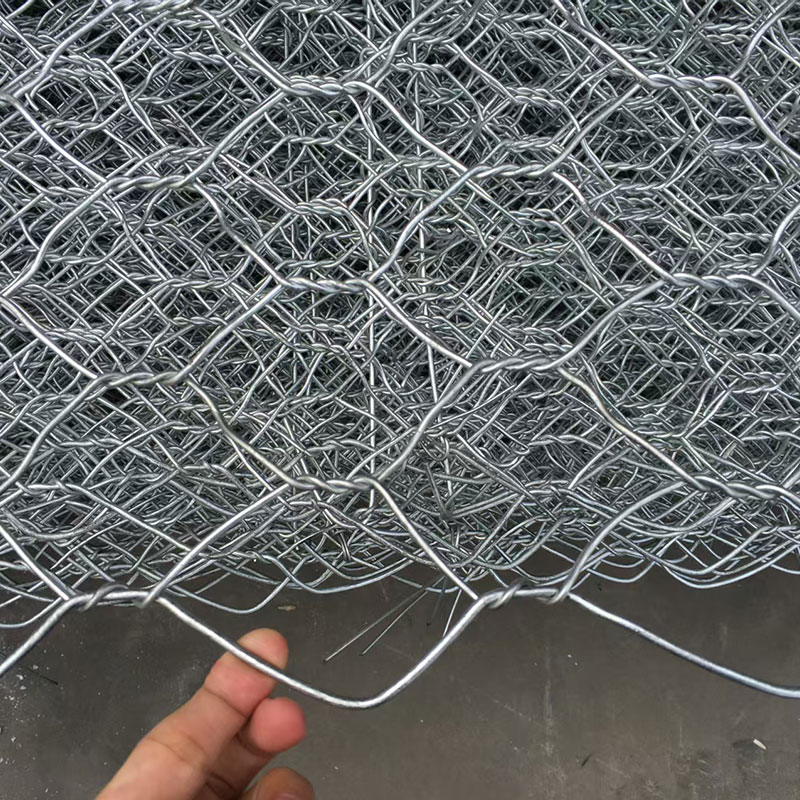
Hexagonal wire mesh, also called chicken wire mesh, is widely used in livestock farming, industry, construction, etc. For example, pipe wrapping, insulation, boilers, home protection, garden fencing, pens for chickens, ducks, rabbits and other animals.
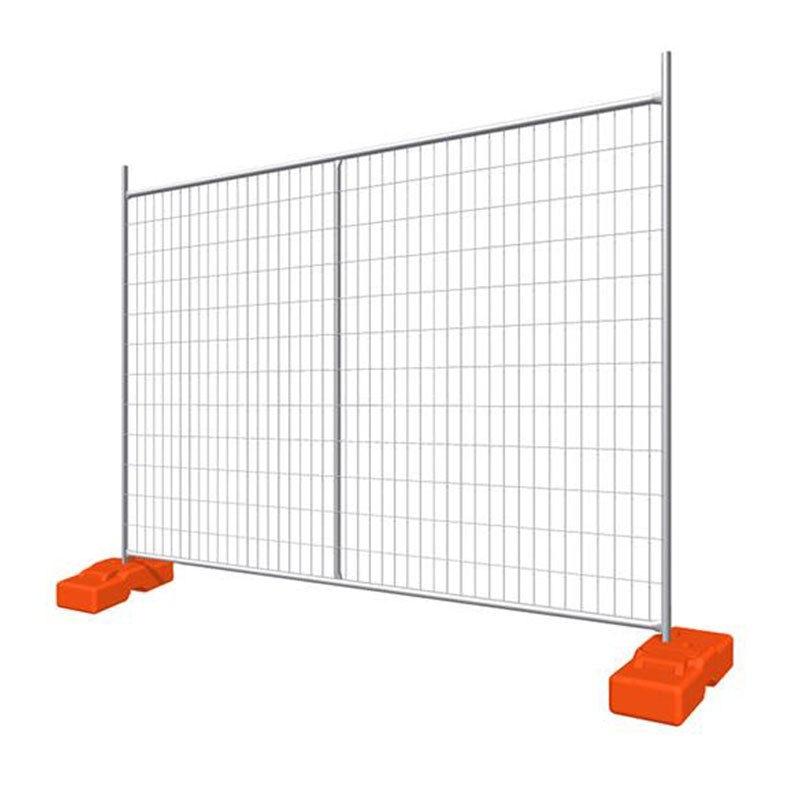
Temporary fencing
Temporary fencing is an alternative to permanent fencing when the fence is needed on a short-term basis, such as for warehousing, public safety, crowd control, or theft prevention.
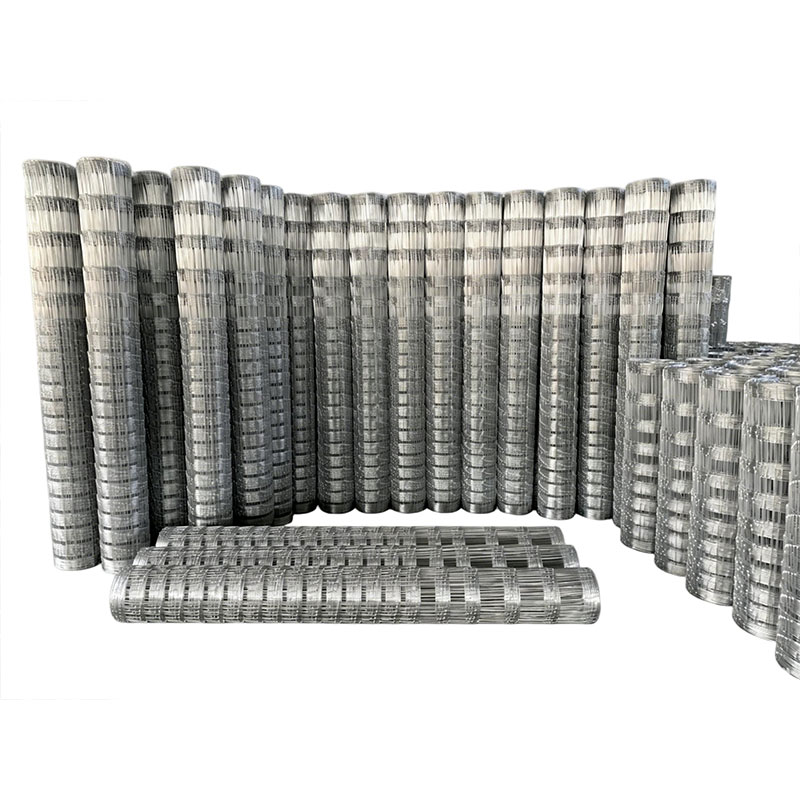
Pasture fencing
Pasture fencing, also known as cattle fencing, horse fencing or prairie fencing, is made by weaving high-tensile galvanized steel wire using special fixed knot technology. It is specifically designed for grazing management, livestock fencing, pasture division, forest protection and upland boundary isolation for cattle, sheep, horses, deer and other animals.
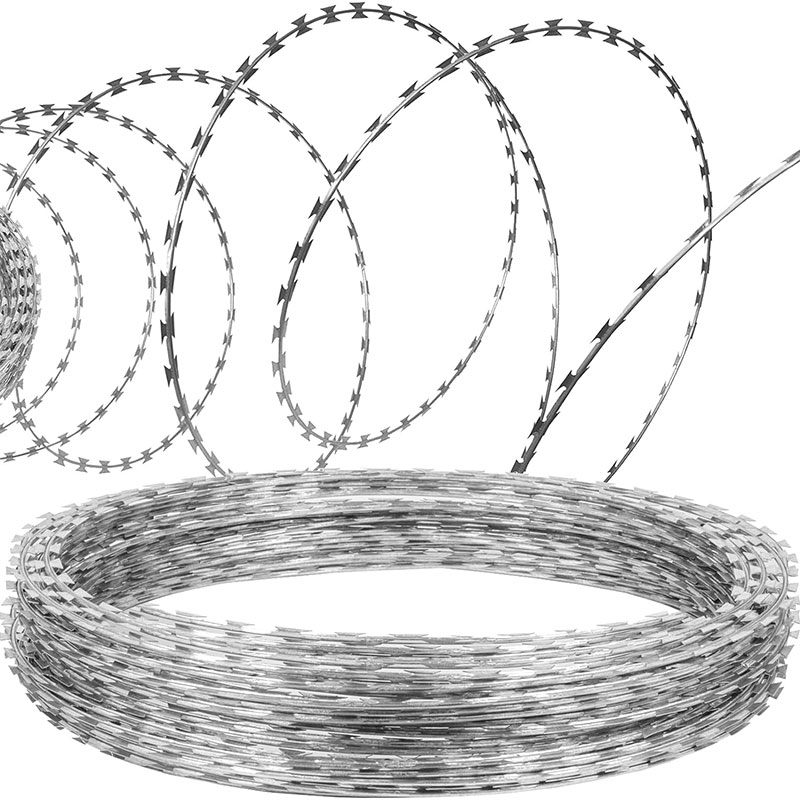
Barbed tape
Razor tape, also called spiral razor tape, coiled wire, or concertina, is a type of security wire with protruding sharp blades. It resembles the barbed wire commonly used for livestock fencing, but comes in flat coils that can expand quickly like its name, making it easy to store, transport and install.